
Chemotherapy in Mumbai: A Complete Expert Guide for Patients & Families (2026)
If you or a loved one has just been diagnosed with cancer, chemotherapy is likely one of the first treatments your oncologist will discuss. In simple terms, chemotherapy is the use of powerful drugs to destroy cancer cells, stop them from dividing, or slow their growth. At We Care Cancer, Mumbai’s trusted oncology logistics support centre, we work closely with patients navigating this journey every single day — and we know how overwhelming it can feel at the start.
This guide breaks down everything you need to know: the chemotherapy procedure, the drugs involved, what the process looks like step by step, how it compares to radiation, and what it typically costs in Mumbai.
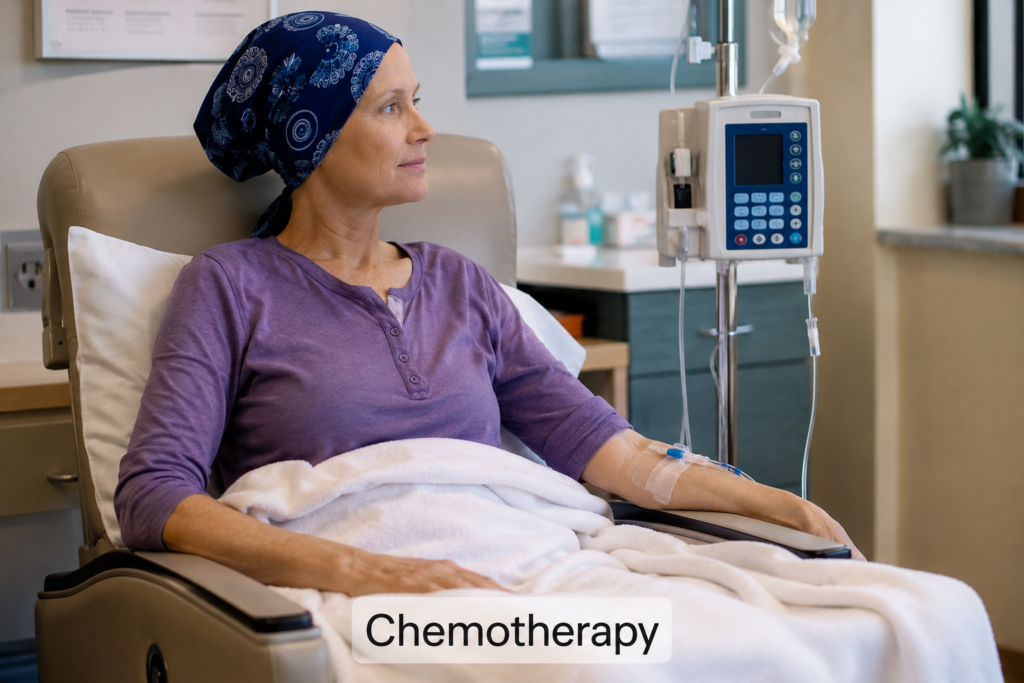
Quick Answer Box
What is chemotherapy? Chemotherapy is a medical treatment that uses one or more anti-cancer drugs to kill or control cancer cells throughout the body. It can be used alone or alongside surgery, radiation, immunotherapy, or targeted therapy. The chemotherapy process involves multiple cycles administered over weeks or months, depending on the cancer type and stage.
What Is Chemotherapy and How Does It Work?
Chemotherapy targets cells that divide rapidly — which is exactly what cancer cells do. The drugs enter the bloodstream and travel throughout the body, attacking cancer cells wherever they are. This systemic reach is what makes chemotherapy different from surgery (which removes a localised tumour) or radiation (which targets a specific area).
According to the Indian Council of Medical Research (ICMR), India records over 14 lakh new cancer cases annually, and a significant proportion of these patients will require chemotherapy at some point during treatment.
There are more than 100 types of chemotherapy drugs currently in clinical use. They are classified based on how they work:
- Alkylating agents – damage DNA to prevent cancer cell reproduction (e.g., Cyclophosphamide)
- Antimetabolites – interfere with DNA and RNA synthesis (e.g., Methotrexate, 5-Fluorouracil)
- Anthracyclines – disrupt cancer cell DNA replication (e.g., Doxorubicin)
- Plant alkaloids – stop cells from dividing (e.g., Vincristine, Paclitaxel)
- Topoisomerase inhibitors – interfere with DNA unwinding (e.g., Irinotecan)
Common Chemotherapy Drugs Used in Mumbai Hospitals
Oncologists in Mumbai’s leading hospitals — including Tata Memorial Hospital, Kokilaben Dhirubhai Ambani Hospital, and Lilavati Hospital — prescribe chemotherapy drugs based on cancer type, stage, and the patient’s overall health.
Frequently used chemotherapy drugs include:
- Paclitaxel (Taxol) – widely used for breast cancer, lung cancer, and ovarian cancer
- Carboplatin – commonly combined with Paclitaxel for lung and ovarian cancers
- Doxorubicin (Adriamycin) – a cornerstone drug in breast and bladder cancer protocols
- Cyclophosphamide – used in breast cancer, lymphoma, and leukaemia regimens
- 5-Fluorouracil (5-FU) – standard in colorectal and head-and-neck cancers
- Gemcitabine – used in pancreatic and lung cancers
- Cisplatin – among the most widely prescribed drugs globally for multiple cancer types
Your oncologist will design a combination regimen tailored to your diagnosis. For example, the AC-T protocol (Adriamycin + Cyclophosphamide followed by Taxol) is a standard regimen for chemotherapy for breast cancer.
The Chemotherapy Procedure: What to Expect Step by Step
Understanding the chemotherapy procedure in advance can significantly reduce anxiety. Here is what the process typically looks like in Mumbai’s oncology centres:
Step 1: Pre-Treatment Evaluation
Before beginning, your oncologist will order blood tests, imaging scans (PET-CT, MRI), and a cardiac evaluation. Your complete blood count (CBC), liver function, and kidney function are checked to confirm you are fit for treatment.
Step 2: Placement of IV Access
Most patients receive chemotherapy through an intravenous (IV) line. For patients undergoing multiple cycles, a PICC line (Peripherally Inserted Central Catheter) or a port-a-cath may be surgically placed under the skin for easier access.
Step 3: Pre-Medications
Before the main drug infusion, you will receive anti-nausea medications (antiemetics like Ondansetron), steroids (Dexamethasone), and sometimes antihistamines to reduce the risk of allergic reactions.
Step 4: Drug Infusion
The chemotherapy drugs are administered through the IV line. Sessions can last anywhere from 30 minutes to 8 hours, depending on the drug and protocol. Some oral chemotherapy drugs can be taken at home.
Step 5: Post-Infusion Monitoring
After the infusion, you are monitored for 30 to 60 minutes before discharge. Your care team will give you instructions on managing side effects at home and emergency contact information.
Step 6: Recovery and Next Cycle
Most chemotherapy cycles are spaced 2 to 4 weeks apart to allow your body time to recover before the next round. A typical course involves 4 to 8 cycles, though this varies significantly.
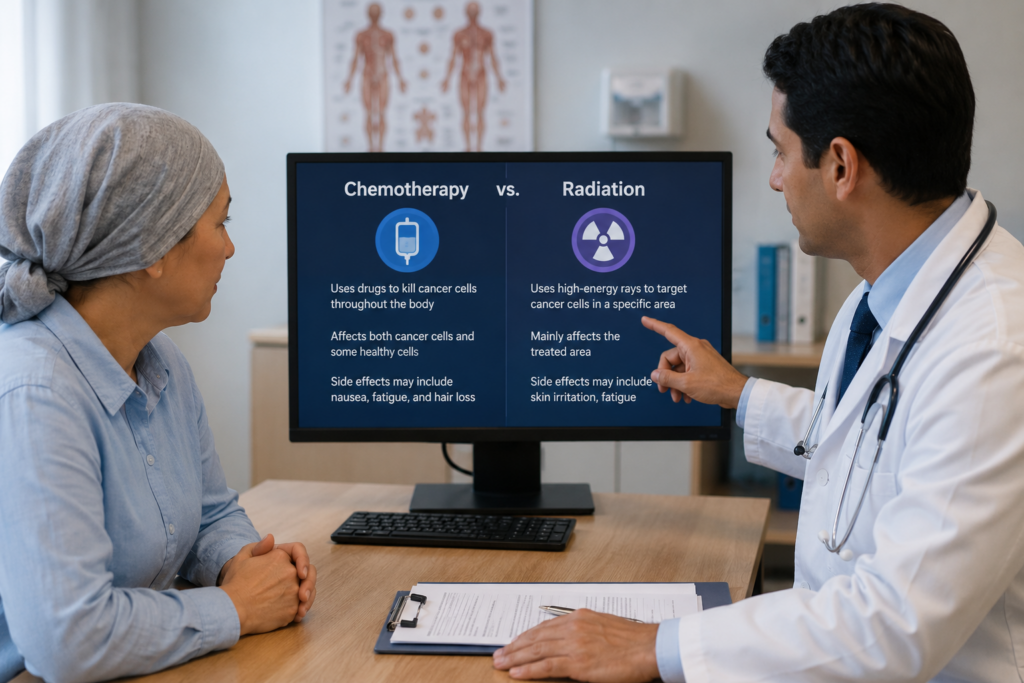
Chemotherapy vs Radiation: Key Differences
One of the most common questions patients ask is: “Should I have chemotherapy vs radiation — or both?”
| Feature | Chemotherapy | Radiation |
| How it works | Drugs circulate throughout the body | Targeted beams of high-energy radiation |
| Reach | Systemic (whole body) | Local (specific area) |
| Best for | Cancers that have spread or are at risk of spreading | Localised tumours |
| Administration | IV infusion or oral pills | External beam or internal (brachytherapy) |
| Side effects | Hair loss, nausea, fatigue, immunosuppression | Skin burns, fatigue, localised damage |
| Duration | Multiple cycles over months | Daily sessions over 5–7 weeks |
The key distinction: chemotherapy reaches the entire body, making it effective when cancer cells may have spread beyond the primary tumour. Radiation is precisely targeted, ideal for treating a specific tumour site while minimising damage to surrounding tissue.
In many cases, both are used together — a strategy called chemoradiation — particularly in cervical cancer, head-and-neck cancers, and rectal cancer.
Chemotherapy for Breast Cancer: A Special Focus
Breast cancer is the most common cancer among Indian women, accounting for approximately 14% of all female cancers (ICMR, 2022). Chemotherapy for breast cancer plays a critical role across multiple treatment settings:
Neoadjuvant chemotherapy (before surgery) is used to shrink the tumour, making surgical removal easier or enabling breast-conserving surgery (lumpectomy) instead of mastectomy.
Adjuvant chemotherapy (after surgery) is given to destroy any remaining cancer cells that may not be visible, reducing the risk of recurrence.
Palliative chemotherapy is used for metastatic breast cancer to control the disease and improve quality of life.
Standard regimens for breast cancer in Mumbai oncology centres include:
- AC-T: Adriamycin + Cyclophosphamide → Taxol
- TC: Docetaxel + Cyclophosphamide
- CMF: Cyclophosphamide + Methotrexate + 5-Fluorouracil (for older patients)
For HER2-positive breast cancer, chemotherapy is combined with targeted therapy drugs such as Trastuzumab (Herceptin). For hormone receptor-positive disease, chemotherapy may be followed by hormonal therapy (Tamoxifen or Aromatase inhibitors).
Chemotherapy Cost in Mumbai: What You Should Know
Chemotherapy cost in Mumbai varies widely based on several factors:
- Type of drug used (branded vs generic)
- Number of cycles prescribed
- Hospital category (government, trust-run, or private)
- Additional supportive medications (anti-nausea, growth factors like G-CSF)
- Diagnostic tests and hospitalisation
Approximate Chemotherapy Cost in Mumbai (2025):
| Setting | Cost Per Cycle (Approx.) |
| Government / Public Hospital (e.g., Tata Memorial) | ₹5,000 – ₹25,000 |
| Trust-Run / Charitable Hospital | ₹15,000 – ₹60,000 |
| Private Hospital (mid-range) | ₹40,000 – ₹1,50,000 |
| Premium Private Hospital | ₹1,00,000 – ₹3,50,000+ |
Important note: Generic chemotherapy drugs approved by the Central Drugs Standard Control Organisation (CDSCO) are bioequivalent to branded versions and significantly reduce costs without compromising efficacy. Patients are encouraged to ask their oncologist about generic alternatives.
Government schemes such as Pradhan Mantri Jan Arogya Yojana (PM-JAY / Ayushman Bharat) and Maharashtra’s Mahatma Jyotiba Phule Jan Arogya Yojana (MJPJAY) provide cashless coverage for chemotherapy for eligible patients.
At WeCare Cancer, our oncology logistics team helps patients in Mumbai navigate hospital scheduling, drug procurement, insurance coordination, and second opinions — reducing the administrative burden during an already stressful time.
Managing Side Effects: Expert Insights
Side effects are one of the most feared aspects of chemotherapy. While not every patient experiences every side effect, it is important to know what to expect and how to manage it.
Common side effects and management strategies:
- Nausea and vomiting: Modern antiemetics (Ondansetron, Aprepitant) have dramatically reduced this. Most patients manage well with medication.
- Hair loss (alopecia): Temporary in most cases. Scalp cooling caps are available at select Mumbai hospitals.
- Fatigue: Rest, light exercise, and nutritional support help. Anaemia-related fatigue may be managed with erythropoietin injections or transfusions.
- Immunosuppression: The most medically serious side effect. Patients must avoid crowds, monitor for fever, and report any temperature above 38°C immediately.
- Neuropathy: Numbness or tingling in hands and feet, common with Taxol-based regimens. Dose adjustments may be required.
- Mouth sores (mucositis): Managed with regular saline rinses and oral care protocols.
Expert tip from our oncology team: Keep a daily symptom diary. Note the severity, timing, and duration of any side effect. Share this with your oncologist at every visit. This data guides dose adjustments and supportive care decisions.
Case Example: Mrs. Asha Sharma, Breast Cancer Patient, Thane
Mrs. Asha Sharma (name changed for privacy), a 47-year-old schoolteacher from Thane, was diagnosed with Stage II HER2-positive breast cancer in early 2024. Her oncologist at a leading Mumbai hospital recommended 6 cycles of TC + Herceptin chemotherapy before surgery.
At the start, Asha was anxious about the chemotherapy procedure, the cost, and managing her work schedule. WeCare Cancer’s logistics team assisted with:
- Coordinating chemotherapy appointment slots to minimise waiting time
- Liaising with her insurer for pre-authorisation of each cycle
- Providing nutritional guidance resources between cycles
- Connecting her with a support group for breast cancer patients in Mumbai
By cycle 4, her tumour had reduced by 65%. Surgery was successful, and she completed her targeted therapy as planned. Today, Asha is in active surveillance and back in the classroom.
Her experience reflects what most patients can achieve with the right clinical team, robust logistics support, and consistent adherence to the chemotherapy process.
Conclusion
Chemotherapy remains one of the most powerful and proven tools in the fight against cancer. While the journey is demanding, advances in supportive care, precision medicine, and oncology logistics have made it significantly more manageable for patients in Mumbai and across India.
Whether you are exploring chemotherapy for breast cancer, understanding the chemotherapy procedure for the first time, comparing chemotherapy vs radiation, or planning for chemotherapy cost, the most important first step is to consult an experienced oncologist and build a strong support system around you.
WeCare Cancer is here to support that journey — from your first appointment to your last cycle and beyond.
📞 Call us: +91 9029304141 📧 Email: [email protected] 🌐 Website: www.wecarecancer.com
Key Takeaways
- Chemotherapy uses drugs to destroy or control cancer cells throughout the body and is used alone or in combination with surgery, radiation, or targeted therapy.
- Over 100 chemotherapy drugs exist; your oncologist chooses a regimen based on cancer type, stage, and your health profile.
- The chemotherapy procedure involves pre-treatment evaluation, IV access, pre-medications, drug infusion, and post-infusion monitoring.
- Chemotherapy for breast cancer is used before surgery (neoadjuvant), after surgery (adjuvant), or for metastatic disease (palliative).
- Chemotherapy vs radiation: chemo is systemic (whole body); radiation is local (targeted area). Many patients receive both.
- Chemotherapy cost in Mumbai ranges from ₹5,000 per cycle at government hospitals to ₹3.5 lakh+ per cycle at premium private hospitals.
- Government schemes like Ayushman Bharat and MJPJAY cover chemotherapy for eligible patients in Maharashtra.
- Modern antiemetics have dramatically reduced nausea — the most feared side effect.
- WeCare Cancer provides oncology logistics support including appointment coordination, insurance liaison, and patient navigation in Mumbai.
Frequently Asked Questions (FAQs)
Q1. What is chemotherapy and who needs it? Chemotherapy is a drug-based cancer treatment used to destroy, control, or shrink cancer cells. It is recommended for patients with cancers that have spread or are at high risk of spreading, those who are not candidates for surgery, or those who need treatment before or after surgery to improve outcomes. Your oncologist will determine whether chemotherapy is appropriate based on your cancer type and stage.
Q2. How long does a chemotherapy session last in Mumbai? The duration of a single chemotherapy session depends on the drug protocol. Sessions can range from 30 minutes for some oral or shorter infusions to 6–8 hours for drugs like Cisplatin or Paclitaxel. Most patients attend day-care chemotherapy units and return home the same day. Hospitalisation is required only in cases of complications or high-dose regimens.
Q3. What is the chemotherapy cost in Mumbai? Chemotherapy cost in Mumbai varies by hospital type and drug regimen. Government hospitals like Tata Memorial Hospital offer treatment at ₹5,000–₹25,000 per cycle. Private hospitals can charge ₹40,000 to over ₹3,50,000 per cycle. Patients covered under Ayushman Bharat or MJPJAY may be eligible for cashless chemotherapy. Always ask your oncologist about generic drug alternatives to reduce costs.
Q4. Does chemotherapy always cause hair loss? Not all chemotherapy drugs cause hair loss. Hair loss (alopecia) is most commonly associated with drugs like Doxorubicin, Cyclophosphamide, and Paclitaxel. Other drugs cause minimal or no hair loss. When hair loss does occur, it is almost always temporary — hair typically regrows within 3–6 months after completing treatment. Scalp cooling caps can reduce hair loss in some patients.
Q5. What is the difference between chemotherapy and radiation therapy? Chemotherapy uses drugs that travel through the bloodstream to reach cancer cells throughout the body. Radiation uses high-energy beams directed at a specific tumour site. Chemotherapy is systemic; radiation is local. Both can be used together (chemoradiation) to improve treatment outcomes for cancers like cervical cancer, head-and-neck cancers, and rectal cancer.
Q6. Is chemotherapy used for all types of cancer? Chemotherapy is used for a wide range of cancers including breast cancer, lung cancer, colorectal cancer, leukaemia, lymphoma, and ovarian cancer, among others. However, not all cancers respond equally to chemotherapy. Certain cancers are now primarily treated with targeted therapy, immunotherapy, or hormonal therapy, sometimes in combination with chemotherapy.
Q7. How many cycles of chemotherapy will I need? The number of chemotherapy cycles depends on the type of cancer, the stage, the drugs used, and your response to treatment. Most standard regimens involve 4 to 8 cycles, spaced 2 to 4 weeks apart. Your oncologist will reassess your response through scans and blood tests throughout the process and may adjust the number of cycles accordingly.
Q8. Can I eat normally during chemotherapy? Maintaining good nutrition during chemotherapy is important, though treatment-related side effects like nausea, mouth sores, and altered taste can make eating difficult. Oncology dietitians recommend small, frequent meals; bland foods during nausea; high-protein foods for recovery; and avoiding raw or undercooked food to reduce infection risk. WeCare Cancer can connect patients with oncology nutrition counsellors in Mumbai.
Q9. What should I do if I develop a fever during chemotherapy? A fever above 38°C (100.4°F) during chemotherapy is a medical emergency called febrile neutropenia. Your immune system is suppressed, making infections dangerous. Do not wait and watch — go to the nearest hospital emergency department or call your oncologist immediately. This is one of the most important safety instructions for all chemotherapy patients.
Q10. How does WeCare Cancer help patients in Mumbai during chemotherapy? WeCare Cancer is an oncology logistics support service based in Mumbai. We help patients coordinate chemotherapy appointments, navigate insurance pre-authorisations, procure medications, access second opinions, connect with nutritionists and support groups, and reduce the administrative burden of cancer care. We work alongside your clinical team to ensure your focus stays on recovery. Call us at +91 9029304141 or email [email protected].
The Complete Expert Guide to Linear Accelerator in Cancer Treatment in Delhi
The linear accelerator (LINAC) is a medical device that aims high energy X-ray beams directly towards the tumour, destroying cancerous cells while sparing the healthy ones around. It’s the most successful machine used in Linear Accelerator Radiation Treatment in the World, and for a good reason – it’s accurate, strong, and it has proven itself.
If you or someone you know has been advised to have radiation therapy, it can help reduce anxiety by understanding the function of a LINAC and what it entails. In WeCare Cancer, we assist patients to traverse this journey with clarity and compassion.
How Does a Linear Accelerator Work?
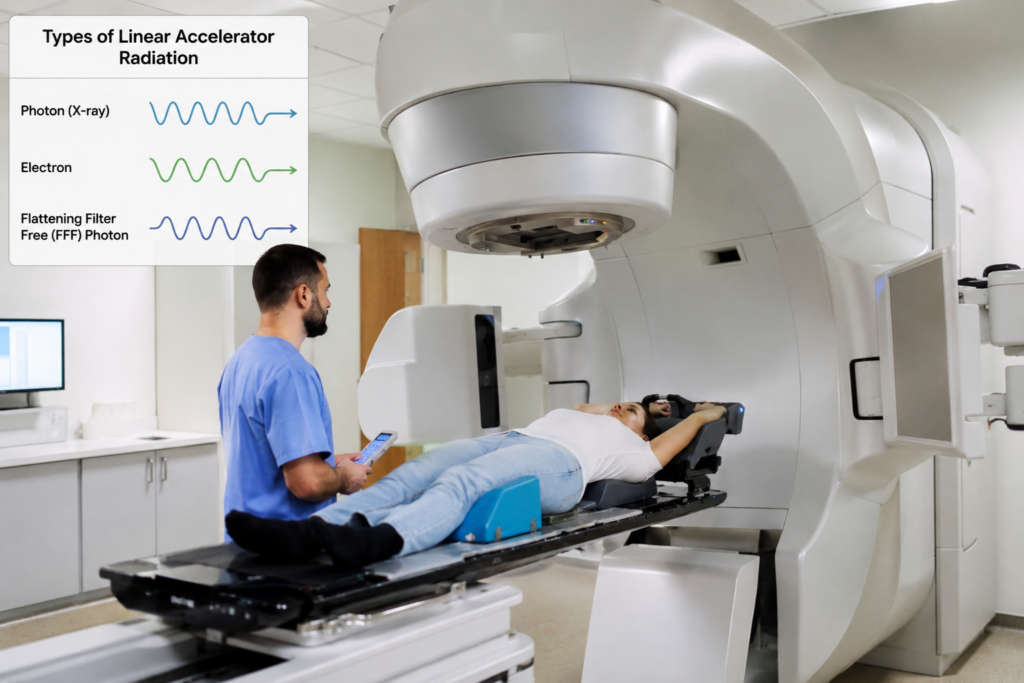
Answer: In a linear accelerator, the electrons are accelerated by the use of microwave technology to close to the speed of light. These electrons hit a metal target, creating high-energy X-rays, or photons, which are precisely directed at a tumour from various angles. This is known as linear accelerator radiation therapy or LINAC therapy.
What is Linear Accelerator (LINAC)?
In oncology, a linear accelerator, or LINAC for short, is a high-speed radiotherapy machine that treats cancer. Linear” is used in reference to the way the electrons are accelerated, in a straight line, through the accelerating waveguide of the machine before they hit a tungsten target.
A tool known as a multileaf collimator (MLC) shapes and directs the resulting radiation beam to the precise 3D shape of the tumour like a stencil does.
The modern LINAC can rotate 360 degrees around the patient, and radiation is delivered from virtually any angle. This flexibility can help to deliver the highest dose to the tumor and avoid damage to important organs such as heart, lungs, spinal cord and kidneys.
Here are some important numbers for LINAC:
- Provides 50% of the world’s patients with cancer treated by radiation (WHO estimate)
- Is capable of delivering doses with sub millimetre accuracy
- Sessions are usually 15-30 minutes in length.
- Treatment is given in a series of 1 to 40 treatments according to the type and stage of cancer.
How Does a Linear Accelerator Work? (Step-by-Step)
The understanding of the linear accelerator diagram in functional terms helps to demystify the process of treatment:
Step 1 – Electron Production
The first step is to produce the electrons in an electron gun and send them into the accelerating waveguide, which is a long, hollow tube inside the machine.
Step 2 – Acceleration
The electrons are pushed by microwave energy (a bit like the energy in a kitchen microwave, but a lot more powerful) to a speed of ~99.9% the speed of light.
Step 3 – X-ray Generation
High-speed electrons hit a tungsten target, and high-energy photons of X-rays are emitted. These are the real rays which kill the tumor cells.
Step 4 – Beam Shaping
The beam is shaped to fit the precise shape of the tumor in three dimensions by going through a series of filters, flattening filters and the multileaf collimator.
Step 5 – Delivery
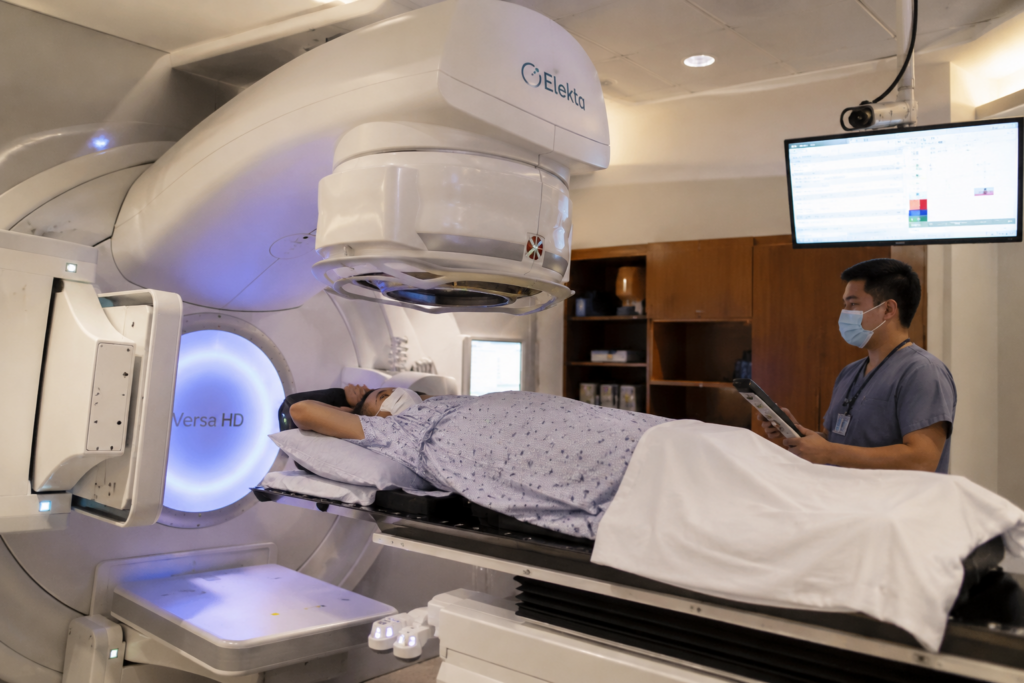
The shaped beam is placed on the patient’s treatment couch. The LINAC gantry moves around the patient to expose the tumor to radiation from many angles in order to maximize the dose to the tumor while sparing other tissues.
Types of Linear Accelerator Radiation Therapy
Various situations require a variety of LINAC techniques. The main modalities adopted in the top oncology centers are:
1. Conformal Radiation Therapy (3D-CRT)
Shapes radiation beams in 3 dimensions using CT scan data. This is the basic LINAC method and continues to be used extensively in the treatment of prostate, lung and breast cancers.
2. Intensity-Modulated Radiation Therapy (IMRT)
A more complex version in which the intensity of the beam is modulated over the treatment field. Doing dose sculpting becomes possible with IMRT when there are irregularly shaped tumors near critical structures. Usually used in head and neck, prostate and brain cancer.
3. VMAT (Volumetric Modulated Arc Therapy)
The LINAC rotates in an arc continuously and at the same time modulates the shape, speed and intensity of the beam. VMAT provides the same or better precision in 2-4 minutes compared to IMRT.
4. Stereotactic Body Radiation Therapy (SBRT) / SABR
Extremely high doses of radiation administered with extreme precision in 1 – 5 sessions. Suitable for early stage lung cancer, liver tumours and metastasis to the spine.
5. Stereotactic Radiosurgery (SRS)
Treatment for intracranial lesions (brain tumors) at high dose. The most direct comparison of LINAC and gamma knife radiation is here (see below).
Linear Accelerator vs Gamma Knife Radiation
One of the most frequently asked questions by patients: Is linear accelerator effective or gamma knife?
| Feature | Linear Accelerator (LINAC) | Gamma Knife Radiation |
| Radiation Source | X-rays (electrons → photons) | 192 Cobalt-60 sources |
| Body Areas Treated | Whole body | Brain and head only |
| Mobility | Gantry rotates 360° | Fixed radiation sources |
| Frameless Options | Yes (most modern LINACs) | Limited |
| Treatment Fractions | 1 to 40+ | Typically 1 |
| Cost | Moderate | Higher (specialized) |
| Availability | Widely available | Specialized centers only |
In summary, gamma knife is highly accurate in treating brain tumors and some other diseases of the brain. But, in most studies, SRS is as effective as gamma knife and in addition treats extracranial sites with LINAC. Both are approved by the American Society for Radiation Oncology (ASTRO) as equal for most indications of brain tumor.
Linear Accelerator Radiation Therapy Side Effects
As with all forms of cancer treatment, the side effects of linear accelerator radiation therapy vary from person to person and according to the area being treated, the size of the dose and other individual factors. There are two types of side effects:
Acute (Short-Term) Side Effects
These usually occur during or after treatment:
- Nearly 80% of patients experience this side effect, which is the most common: Fatigue.
- Skin reactions, which include redness, peeling or dryness in the therapy area
- Hair loss is only in the area that was treated; not on the entire head.
- Loss of appetite or nausea and vomiting — more likely after abdominal or brain radiation therapy
- Difficulty swallowing food or drinking — head and neck cancers
- Pelvic treatments – diarrhea or urinary changes
Later (Long-Term) Effects
These can occur months to years after the treatment:
- A scar, or fibrosis (hardening of tissue), in the treated area.
- Secondary cancers that develop due to radiation treatment (rare, estimated risk < 1%)
- Hormonal changes (with pelvic or brain radiation)
- Cognitive effects (with whole brain radiation)
Important: Late toxicity has been greatly decreased with modern LINAC techniques such as IMRT and VMAT compared to older radiation techniques. Your radiation oncologist will discuss the individual risk factors of your treatment plan.
Linear Accelerator Cost in India and all over the world
The price of the linear accelerator fluctuates significantly depending on technology, manufacturer and geographical location.
The cost of the machine used (Hospital Investment)
| LINAC Type | Approximate Cost (USD) |
| Basic LINAC | $1.5 million – $2.5 million |
| The advanced LINAC is an IMRT and IGRT capable LINAC. | $2.5 million – $4 million |
| High-end LINAC (VMAT/SRS) | $4 million – $6 million+ |
The cost of treatment for patients in India
- Standard radiation course: ₹1,50,000 – ₹3,50,000
- IMRT/VMAT course: ₹3,00,000 – ₹6,00,000
- SBRT/SRS: ₹1,50,000 – ₹4,00,000 (per course)
In India, most health insurance policies cover LINAC-based radiation therapy. Radiation therapy is also covered under the government initiatives such as PMJAY (Ayushman Bharat) in empanelled hospitals.
WeCare Cancer not only helps patients pinpoint the most cost-effective treatment without sacrificing quality, but we also have a supportive team of staff to ensure their well-being. Reach us at +91 9029304141 or [email protected].
Who is a good candidate for LINAC therapy?
Almost any solid tumor, which is localized or regionally confined may be suitable for LINAC-based radiation. Common indications include:
- Radiation therapy after surgery for breast cancer
- Prostate cancer — definitive or adjuvant treatment
- Lung cancer — SBRT for early-stage, palliative for advanced
- Cancer of the head or neck (usually with chemotherapy)
- All brain tumors are treated by SRS or fractionated LINAC radiosurgery.
- Pelvic radiation will affect a person’s cervical and uterine cancers.Pelvic radiation will impact a person’s cervix and uterus.
- Rectal cancer — neoadjuvant or adjuvant treatment
- Bone metastases — palliative pain relief
LINAC is also employed in total body irradiation (TBI) therapy, which is used prior to bone marrow transplants for certain cancers of the blood, such as leukemia and lymphoma.
Expert Insight: What Makes Modern LINAC Technology a Game Changer?
Radiation oncology experts say that combining image-guided radiation therapy (IGRT) with LINAC has been a game-changer. In IGRT, images are captured in real time, often cone-beam CT, just before each treatment, to confirm the position of the tumour and to make necessary adjustments to the patient’s positioning.
This is important because the bladder fills, bowel gas, bladder weight gain or changes in breathing can cause a slight movement of the tumor location between sessions. The intent of IGRT is to make certain that what is planned is what is treated.
Moreover, with the introduction of Adaptive radiation therapy (ART) — treatment plan adjusted during treatment phase depending on tumor response — the next step in LINAC treatment is coming. Now, some centers are adopting adaptive platforms that integrate MRI imaging with LINAC delivery in real time thanks to the help of AI and other innovations (e.g., Elekta’s adaptive Unity MR-LINAC and ViewRay’s MRI ViewRay MRIdian).
A Real-World Case: LINAC Based SBRT For Early Lung Cancer
Patient Background
Non-smoking 68 year old man with a diagnosis of non-small cell lung cancer (NSCLC) in the right lower lobe (RLL) of the lung, which was Stage I A. Because of his cardiac comorbidities he was not a very good surgical risk.
Treatment Approach
LINAC based SBRT – 54 Gy in 3 fractions in 1 week (VMAT technique with respiratory gating – to account for lung movement during breathing).
Outcome
The PET CT at 2 year follow-up demonstrated complete metabolic response. He was only a little tired, and the pain in his chest wall was mild but went away in 6 weeks. No surgery, no hospitalisation.
This case is consistent with published data that demonstrates local control in early-stage NSCLC for SBRT is between 85-95%, similar to surgical resection for medically operable patients (JAMA Oncology, 2021).
Key Takeaways
- The most popular machine used for cancer radiation therapy is a linear accelerator (LINAC)
- It does this by accelerating electrons to “close to light speed” and transforming them into therapeutic X-rays
- The 3D-CRT, IMRT, VMAT, SBRT, and SRS are the major LINAC techniques.
- Radiation therapy with an accelerator has side effects that are controllable and have been greatly enhanced by the use of modern techniques.
- Gamma knife radiation is best for brain tumors but can only be used in the brain, LINAC is more versatile.
- The price of linear accelerators in India can vary from ₹1.5 lakh to ₹6 lakh+ for complete treatment.
- With the help of IGRT and adaptive therapy, LINAC treatment is becoming more and more precise than ever before.
- The use of LINAC therapy is a curative, adjuvant or palliative therapy depending on the clinical situation.
People Also Ask (PAA) — FAQ Section
Q1. What does a linear accelerator do in treating cancer?
High energy X-ray radiation is directed at cancer tumors using a linear accelerator (LINAC). It selectively hits cancer cells multiple ways and spares surrounding healthy tissue. It is used for treating several types of cancer, including cancers of the brain, breast, lung, head, neck and many others. It is also used for therapeutic purposes (cure), post surgery (adjuvant) or for relieving symptoms (palliative). It is the most commonly used radiotherapy machine in the world.
Q2. What is the duration of a radiotherapy treatment in a linear accelerator?
The length of time for each session ranges from 15 to 30 minutes, depending on the preparation time. The actual beam delivery is typically just 2-5 minutes. But for extreme accuracy SBRT or SRS treatments via the LINAC can require 30 to 60 minutes per session because of extra image verification procedures. SRS sessions are between 1 and 40+ sessions.
Q3. What are the most common linear accelerator radiation therapy side effects?
The most frequent side effect is tiredness, felt by almost 80% of the patients. Other side effects depend on the area treated: skin reactions and hair loss in the area subjected to radiation; nausea in the abdomen; difficulty swallowing in the head and neck; urinary or bowel changes in the pelvis. The majority of side effects are short term and are resolved 4-6 weeks after the end of treatment. Modern treatment techniques, such as IMRT and VMAT, have few long-term side effects.
Q4. What are the differences between linear accelerator and gamma knife radiation?
A linear accelerator uses X-rays generated by electricity and can treat tumors in any part of the body. Gamma knife radiation is a technique that employs 192 stationary Cobalt-60 sources, and is only utilized for conditions that occur in the brain and skull. Both have equal accuracy in the case of brain tumors. LINAC is versatile and widely available, whereas gamma knife is only available for use in specialized neurosurgical centers. Today’s SRS with LINAC has largely achieved the same results as gamma knife for most intracranial applications.
Q5. What is the price of linear accelerator treatment in India?
The standard radiation course in India would cost between ₹1,50,000 and ₹3,50,000 using a LINAC. The advanced technologies such as IMRT and VMAT cost from ₹3 lakh to ₹6 lakh. The cost of SBRT or SRS courses is estimated to be between ₹1.5 lakh and ₹4 lakh. The costs can depend on the type of hospital (private vs government), the city and the technology employed. Radiation therapy using LINAC has been covered by most health insurance policies and government schemes such as Ayushman Bharat.
Q6. Does radiation therapy with a linear accelerator hurt?
No, the radiation is not painful and you can’t see it. The radiation beam is invisible, inaudible, untouchable and undetectable to patients during delivery. For a few patients discomfort from lying still for a long time on the couch for the treatment. Side effects that occur over time (such as skin soreness, fatigue) can also cause discomfort, but can be supported with medication and typically go away after treatment.
Q7. How many treatments of LINAC radiation will be required?
The number of sessions will vary based on the type of cancer, stage of the disease and treatment objectives. Most palliative treatments will only require 1-5 treatments. For tumors of the lung or liver, 3-5 sessions of SBRT are used. Adjuvant breast cancer radiation is usually for 15 to 25 sessions. Treatment for head and neck cancer can involve 30 to 35 sessions of treatment per day for 6 to 7 weeks. Your radiation oncologist will formulate your individual radiation treatment plan.
Q8. Is LINAC a cure for cancer?
Yes, many times LINAC is used for “curative” radiation therapy. LINAC radiation alone or in combination with surgery and chemotherapy is often effective at curing early-stage cancers of the lung, prostate, cervical and head and neck. The cure rates of SBRT for early-stage lung cancer are 85–95%. But in advanced cases, radiation isn’t always curative — in some cases, it might be used to treat the symptoms or to help control the disease.
Q9. A linear accelerator is a diagram that displays what?
The components that are normally shown in a linear accelerator diagram include the electron gun, accelerating waveguide, bending magnet, treatment head (which contains the target, flattening filter, ionization chamber, and multileaf collimator), the rotating gantry, and the treatment couch. In addition, the imaging components (kV and CBCT systems) for image-guided radiation therapy are presented on modern diagrams. Patients find it easier to grasp this diagram, so they can see the way things are going, and why the machine moves around them.
Q10. Is LINAC radiation therapy OK for pregnant women?
Radiation therapy is not used during pregnancy unless the mother has already given birth.Radiation therapy is not usually used during pregnancy because it may be harmful to the unborn child. In rare cases, such as aggressive cancers that are diagnosed during pregnancy, however, a multidisciplinary team might recommend LINAC treatment, after careful shielding or repositioning to reduce the fetal exposure. Case by case basis. Before beginning any radiation therapy, patients should discuss family planning and fertility preservation with their oncology team, as well as any concerns they may have regarding pregnancy.
Conclusion
The linear accelerator is a remarkable machine that has revolutionized the treatment of cancer and is at the heart of the interaction between physics, engineering and medicine. Decades of clinical experience prove that LINAC is a source of hope, from treatment of early tumours with curative SBRT to palliative treatment to improve the quality of life.
Thanks to the latest developments in modern IGRT, adaptive radiation and AI-based planning, LINAC therapy is more precise, more personalized and less toxic than ever before. As technology continues to evolve — with MR-LINAC systems and real-time adaptive treatment leading the way — the future of linear accelerator radiation therapy looks even brighter.
If you or someone you know has been diagnosed with cancer and are wondering if radiation using the LINAC is a suitable option, We Care Cancer can help you out.
📞 Call us: +91 9029304141
📧 Email: [email protected]
🌐 Website: wecarecahttps://wecarecancer.com/
How IMRT for Prostate Cancer Reduces Damage to Healthy Tissues
Prostate cancer is one of the most prevalent types of cancer in men around the world. Medical technology is advancing and treatments are becoming more targeted and effective so that patients can receive more specific treatment without experiencing unwanted side effects. Intensity-Modulated Radiation Therapy (IMRT) is one of the major breakthroughs in radiation oncology.
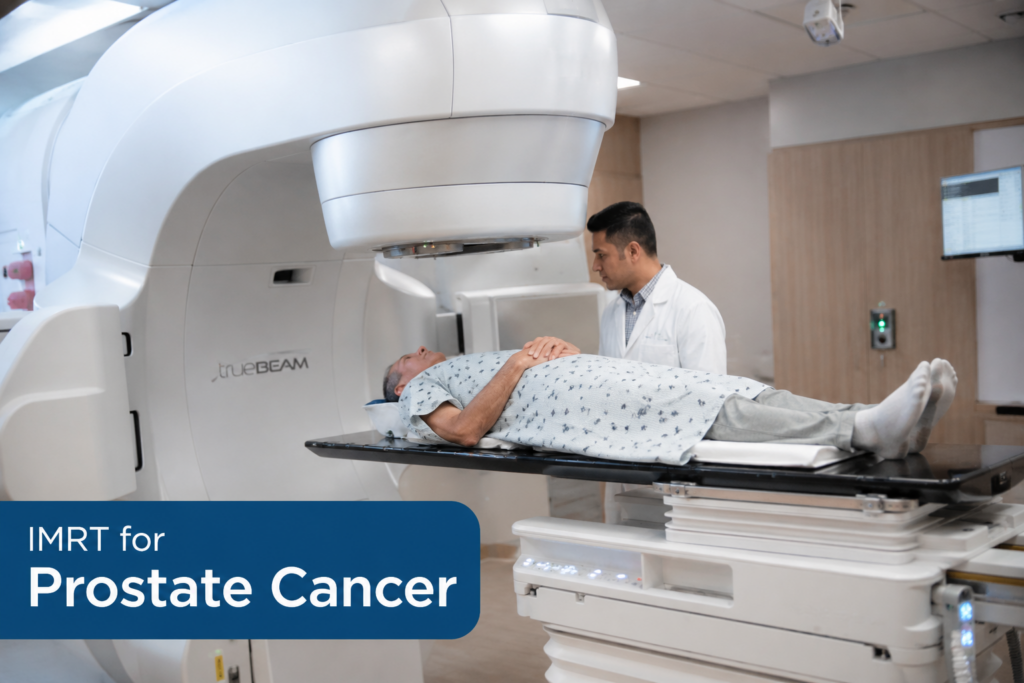
IMRT has revolutionized the radiation delivery of prostate cancer, providing the ability to direct high doses of radiation to tumors, while sparing surrounding normal organs. This sophisticated method can decrease complications during treatment and enhance the quality of life for men who have prostate cancer.
Patient education is a priority at We Care Cancer to keep patients informed about the most up-to-date cancer treatment options. This article is designed to discuss what IMRT is, why it’s helpful for prostate cancer, and how it is useful in minimizing healthy tissue damage.
Understanding Prostate Cancer
The prostate is a small gland in front of the rectum and below the bladder. It is also a crucial part of the male reproductive system where it secretes seminal fluid.
Prostate cancer occurs when cells in the prostate start to multiply out of control. Some prostate cancers are slow-growing, while others may be aggressive and become invasive if they are not treated.
Symptoms of prostate cancer can include:
- Difficulty urinating
- Weak urine flow
- Need to urinate often, particularly at night,
- Blood in urine or semen (haematuria or haemospermia)
- Pelvic discomfort
- Erectile dysfunction
In severe cases, the pain may come from the bones.
Early diagnosis and effective treatment are essential to get the best outcome.
What Is IMRT?
An advanced form of external beam radiation therapy called intensity-modulated radiation therapy (IMRT) treats many cancers, including prostate cancer.
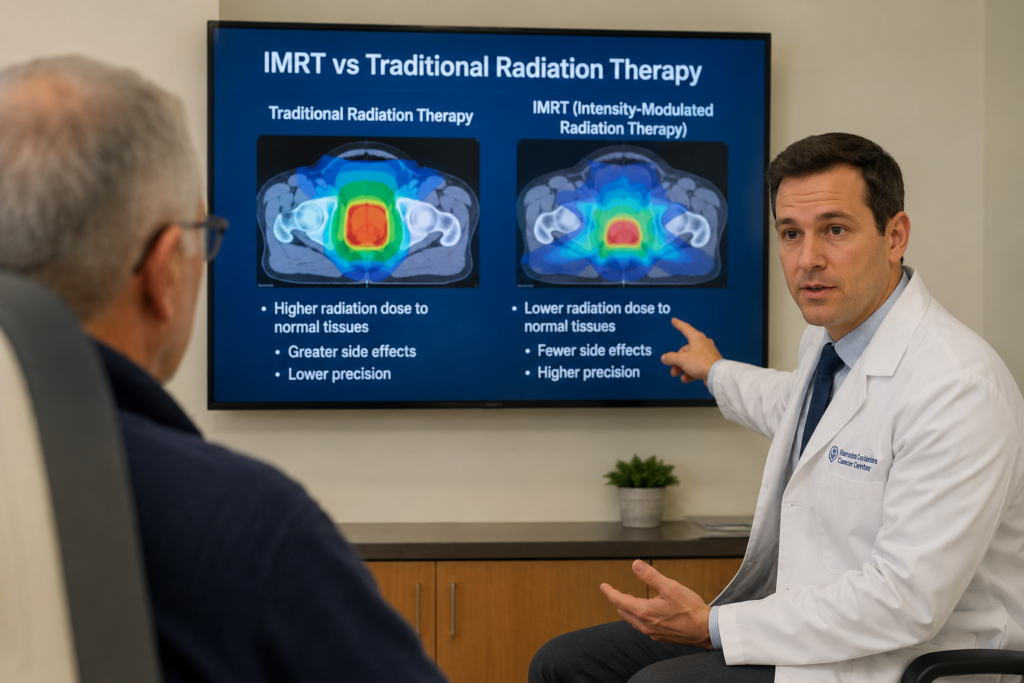
IMRT is different from traditional radiation treatment because it uses advanced computer technology to customize radiation beams to the precise size, shape and location of the tumour.
Each radiation beam can be individually intensified so that doctors are able to send more intense rays to the cancer, while the healthy tissues are exposed to less.
One of the benefits of IMRT is the precision it offers, which is one of the most effective means of radiation therapy for prostate cancer.
How IMRT Works
There are a number of carefully planned steps in IMRT:
1. Detailed Imaging
Patients will first have imaging scans performed prior to treatment including:
- CT scans
- MRI scans
- PET scans (if necessary)
These pictures enable the radiation oncologist to precisely determine the location of the tumor and surrounding critical structures.
2. Computerized Treatment Planning
Advanced software generates a 3D model of the prostate and other body parts.
It is decided by the treatment team:
- Radiation dose
- Beam angles
- Treatment schedule
- Areas requiring protection
3. Precise Radiation Delivery
The beams are shot from several angles.
The intensity levels in each beam can be adjusted, so that the radiation dose closely matches the shape of the prostate tumor.
4. Daily Verification
IMRT is typically combined with image guided techniques to assure precise targeting for each treatment.
Preserving healthy tissues is important, why?Why preserving healthy tissues is important?
The prostate has several organs and tissues around it that are sensitive, such as:
- Bladder
- Rectum
- Urethra
- Nerves that control the sex organs
- Pelvic tissues
With conventional radiation therapy, these structures might be unnecessarily exposed to radiation, which can lead to side effects.
Why Preserving Healthy Tissues Is Important
There are measures that can be taken to protect healthy tissues:
- Reduce treatment complications
- Preserve urinary function
- Maintain bowel health
- Improve sexual function
- Improve quality of life in the community as a whole
This is where IMRT is really useful.
The technology of IMRT can help minimize healthy tissue damage. IMRT can help to minimize damage to healthy tissues.
Highly Targeted Radiation Delivery: providing radiation therapy to a small area of the body.
The great thing about IMRT is that it allows for the targeting of radiation to cancer cells.
Conventional radiation therapy typically delivers a consistent radiation dose to the prostate, which can damage healthy tissues near the prostate.
The beam of radiation is shaped by IMRT to fit the outline of the tumor, thereby minimizing radiation exposure.
Decreased radiation to the bladder.
The bladder is located directly above the prostate.
An excess of radiation should be avoided because it may lead to:
Frequent urination
Dysuria is a symptom of burning micturition.Burning micturition is a symptom of dysuria.
Urinary urgency
Bladder irritation
However, the radiation dose to the bladder is carefully restricted by IMRT, making these complications much less likely.
An improved protection of the rectum.
The rectum is directly behind the prostate.
Conventional radiation therapy may increase the risk of:
Rectal bleeding
Diarrhea
Dysmenorrhea (difficulty urinating pain)
Chronic bowel issues
The reduced radiation dose to the rectum by IMRT helps maintain normal bowel function.
Satisfying sexual life.
Damage to surrounding nerves that may be caused by radiation exposure can impact erectile function.
With targeted radiation, IMRT reduces the likelihood of sexual side effects during treatment because it will not irradiate any surrounding neurovascular structures.
Lower risk for long-term complications.
Patients are subjected to lower levels of radiation exposure in healthy tissues and thus have less long-term side effects than with traditional radiation methods.
Advantage of IMRT in prostate cancer.
Significant increase in radiation doses to cancerous cells
IMRT enables doctors to apply more radiation directly to the tumour, without causing harm to other organs or tissues.
This helps to control cancer, without compromising safety.
Improved Treatment Accuracy
Advanced planning systems guarantee optimal accuracy during treatment.
Fewer Side Effects
Patients often experience:
Less urinary irritation
Reduced bowel problems
Reduced risk for erectile dysfunction.Reduced risk of erectile dysfunction.
Better overall comfort
Improved Quality of Life
Having less side effects means that patients can do many things throughout their day while they are being treated.
For Different Stages of Prostate Cancer:
Can be used for:
Localized prostate cancer
Locally advanced prostate cancer is when the cancer has spread to the surrounding tissue.
Recurrent prostate cancer
When a combination of hormone treatment is used.
IMRT vs Traditional Radiation Therapy
| Feature | Traditional Radiation Therapy | IMRT |
| Precision | Moderate | Very High |
| Tumor Targeting | Basic | Advanced |
| Healthy Tissue Protection | Limited | Excellent |
| Side Effects | Higher | Lower |
| Dose Customization | Minimal | Extensive |
| Quality of Life | Moderate | Improved |
The ability to customize radiation delivery makes IMRT one of the preferred treatment options for prostate cancer.
Patients may find that they experience the following during IMRT:
Before Treatment
Patients undergo:
Discussion with radiation oncologists
Imaging scans
Treatment planning sessions
During Treatment
The time spent per session is approximately:
15 to 30 minutes
The procedure is painless.
Patients are comfortably positioned on a treatment table and exposed to radiation.
After Treatment
Most patients regain normal function of the limb right after treatment.
Follow-up appointments are made to track progress and recovery.
There is a small risk of side effects.There is a low risk of side effects.
While IMRT substantially decreases side effects there are some patients who might experience:
Short-Term Side Effects
Fatigue
Mild urinary discomfort
Increased urinary frequency
Temporary bowel changes
Long-Term Side Effects
These are less frequent, and can involve:
Persistent urinary symptoms
Mild bowel issues
Erectile dysfunction
Side effects are usually minor and do not last long, but are less severe than those of conventional radiation therapy.
Who is a good candidate for IMRT?
IMRT might be suggested for:
Localized prostate cancer patients
Men who are looking for non-surgical treatment.
Patients with tumors in the vicinity of sensitive organs
People who need the high dose radiation therapy
If you’re seeking to reduce side effects from treatment.
A thorough assessment by a radiation oncology team can identify the best course of treatment for patients.
The future of IMRT in the treatment of prostate cancer.Future of IMRT in Prostate Cancer Treatment.
Radiation therapy is an ever-changing treatment.
Modern innovations include:
Image-Guided Radiation Therapy (IGRT)
Adaptive Radiation Therapy
The treatment plan is created using AI tools.Treatment plan made using Artificial Intelligence tools.
MRI-Guided Radiation Therapy
These developments continue to increase the accuracy of the treatment and enhance patients’ outcomes.
In the future, IMRT will remain a pivotal treatment option for prostate cancer as technology improves.
Why Choose We Care Cancer?
We Care Cancer efforts are aimed at matching patients with skilled oncologists and the latest cancer treatment methods, such as IMRT for prostate cancer.
Our commitment includes:
Expert cancer consultations
Personalized treatment guidance
Access to advanced radiation technologies
Comprehensive patient support
Evidence-based cancer care
We strive to help patients make informed decisions and receive the highest quality cancer treatment.
Conclusion
The introduction of IMRT for prostate cancer is a significant improvement in radiation oncology. IMRT can give very precise radiation doses to the area of cancer while sparing normal tissue, like nerves around the tumor, the bladder, and the rectum. This accuracy not only aids in more effective treatment but also reduces the occurrence of side effects and increases patient quality of life.
IMRT is a safe, effective and patient centered treatment option for men with prostate cancer. We Care Cancer is committed to engaging our patients in informed choices about their health care due to their knowledge of modern treatment technologies.
Frequently asked questions (FAQs)
What is IMRT in prostate cancer?
IMRT is an advanced radiation therapy technique that can accurately aim radiation at the prostate cancer, while trying to avoid radiation exposure of healthy tissues.
2. Is IMRT better than traditional radiation therapy?
Yes. IMRT provides more accuracy, less side effects and minimal protection of surrounding organs.
There is no cure for prostate cancer with IMRT.
IMRT is very effective for certain types of prostate cancer and advanced prostate cancer where only a small area is involved and can be used in combination with other treatments.
The time of IMRT treatment:
Typically, treatment takes place over 15-30 minutes per session and over a period of weeks.
5. What are the side effects of IMRT?
Side effects are generally less intense than with conventional radiation therapy and may include minor fatigue, frequent urination and temporary bowel changes.
6. Is IMRT painful?
IMRT is a non-invasive and painless treatment.
Why would one select We Care Cancer for advice on prostate cancer?
We Care Cancer offers expert assistance, customized information on treatment and access to advanced cancer care solutions to help patients achieve best possible outcome.
Best Gamma Knife Treatment in Mumbai | Expert Radiosurgery Services
Introduction
A Gamma Knife Treatment is a specialized radiosurgery technique employed in Mumbai for cancer treatment.The Gamma Knife Treatment is an advanced kind of radiosurgery used in Mumbai to treat cancer.
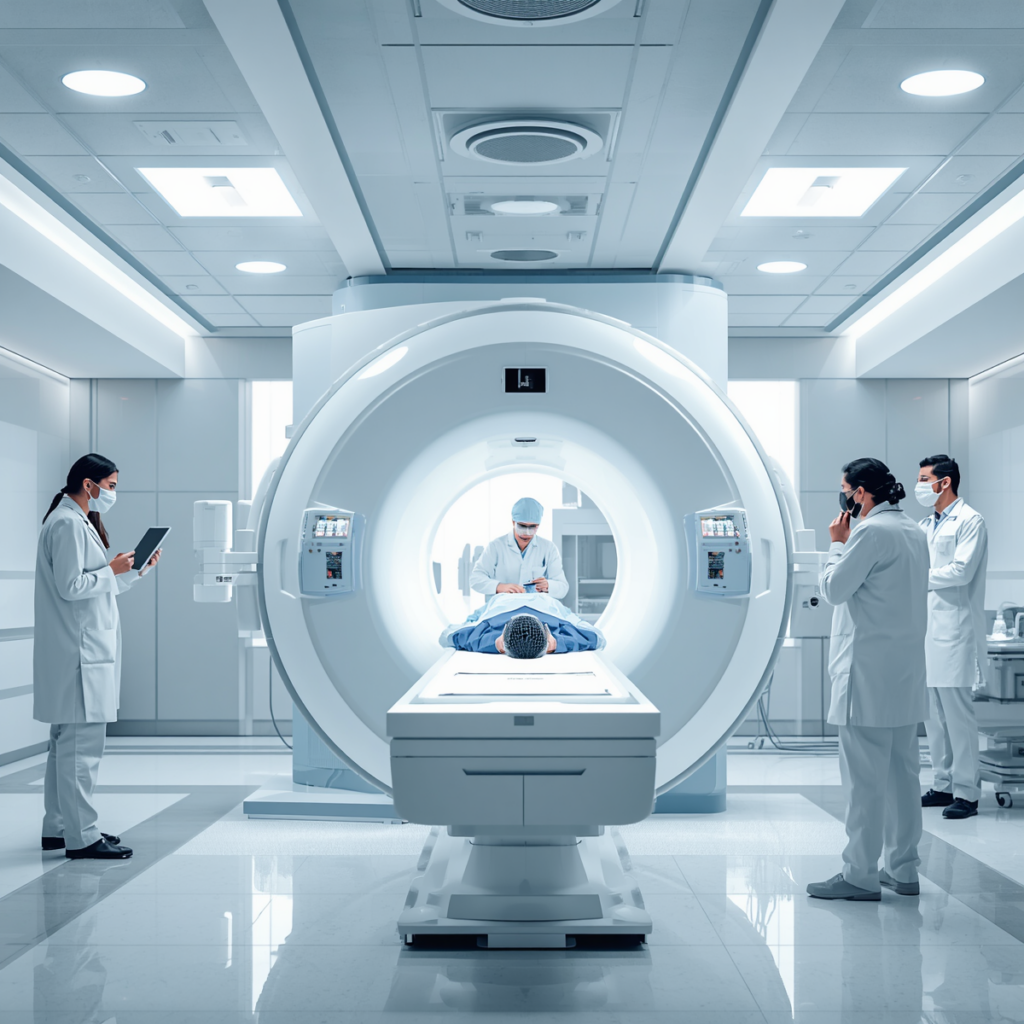
Gamma Knife radiosurgery is an extremely sophisticated, non-invasive medical treatment performed with beams of gamma radiation that treat brain tumors, vascular malformations and other neurological disorders without any incisions. Knowing more about Gamma Knife therapy for a brain lesion, an acoustic neuroma or trigeminal neuralgia may be the key to a life-changing treatment option with minimal recovery time.
We Care Cancer, the trusted Oncology care network in India, accompanies patients on the entire journey of Gamma Knife treatment from diagnosis to eligibility assessment and post-Gamma Knife follow-up. Here you can learn about the Gamma Knife procedure, its advantages, what to anticipate, the charges, and more.
QUICK ANSWER: What Is Gamma Knife Radiosurgery?
Gamma Knife radiosurgery is a non-surgical treatment for the brain that uses 192 precise beams of gamma radiation to treat a target area (tumor, abnormal blood vessel, etc.) without damaging adjacent healthy brain tissue. Although the name implies it, there is no knife or cutting involved! Most of the time, patients go home the same evening, and the procedure will only take one day.
So, what is Gamma Knife Radiosurgery? A Complete Overview
This procedure is called Gamma Knife radiosurgery or stereotactic radiosurgery (SRS), and was developed in 1967 by Swedish neurosurgeon Dr. Lars Leksell. It is, still today, one of the most advanced and reliable instruments in the radiation oncologist’s toolbox.
The Gamma Knife machine (Leksell Gamma Knife) is actually a machine that consists of 192 separate sources of radiation, cobalt-60, which produces a narrow beam of gamma rays. These beams are able to intersect at exceptional accuracy at the target area of the brain. The radiation dose level at the intersection point is high enough to kill abnormal tissue. If each beam is separately insufficient to harm normal brain tissue that it passes through.
The working of gamma knife radiation in a step by step manner.
- A stereotactic head frame (or frameless mask) is placed on the patient to guarantee that there is no movement during treatment.
- A high resolution MRI, CT or angiography scan is taken to determine the precise location of the target.
- Using computer software, an interaction between the radiation oncologist and neurosurgeon works out the correct beam angles and dose levels.
- The patient is in the gamma knife apparatus. The 192 beams are turned on and brought together onto the target.
- The single-session treatment usually takes 15 minutes to 4 hours depending on the number and size of the targets.
- The patient leaves the treatment center the same day or the next morning with few instructions for post-treatment care.
There are no risks associated with the use of general anesthetic or surgical bleeding, nor of hospital-acquired infection, as would occur with traditional open brain surgery. The American Association of Neurological Surgeons (AANS) reports that more than 1 million patients have been treated with Gamma Knife since its introduction, and that it is a safe and effective method for treating them.
What conditions is Gamma Knife used to treat?
Gamma Knife treatment is FDA-approved to treat a variety of intracranial conditions and has been clinically proven. The following are some of the most prevalent:
1. Brain Tumors
- Recurrent brain tumors (tumors that recur after the initial diagnosis and treatment)
- Benign meningiomas (slow-growing tumours on the outside of the brain)
- The most common complications of this surgery are:
- Pituitary adenomas (tumors of the pituitary gland)
- Glioblastoma and other malignant gliomas (used in conjunction with chemotherapy and conventional radiation therapy treatment)
2. Vascular Abnormalities
- Arteriovenous Malformations (AVMs) — abnormal tangles in the brain of blood vessels.
- Cavernous malformations
3. Functional & Pain Disorders
- Trigeminal neuralgia is a serious pain disorder of the face, for which Gamma Knife gives outstanding treatment results.
- Essential tremor
- Dementia of the Alzheimer’s type (selected cases)
- Epilepsy (refractory cases)
Clinical Statistic
Acoustic Neuromas have an excellent 5-year control rate of >95% with hearing preservation in a substantial number of patients, similar to microsurgery, but without the risks from surgery on the open brain. Sources: International Journal of Radiation Oncology, 2023.
Gamma Knife vs. Traditional Brain Surgery: Key Differences
| Feature | Gamma Knife | Traditional Surgery |
| Incision Required | No | Yes |
| General Anesthesia | Usually not required | Always required |
| Hospital Stay | Same-day / 1 night | 7–14 days |
| Recovery Period | 1–3 days | 4–8 weeks |
| Infection Risk | Negligible | Significant |
| Precision | Sub-millimeter accuracy | Variable |
| Suitable for Elderly | Yes, highly suitable | High risk |
| Number of Sessions | Usually 1 session | Single major surgery |
Gamma Knife Surgery Cost in India: Know the Cost of Gamma Knife Surgery
A question one of the most asked questions by patients and families is how much does Gamma Knife surgery cost? It depends on various clinical and logistical factors.
The variables that may impact the cost of the gamma knife.
- Type of tumor or type of treatment for the lesions
- Number of treatment sessions necessary (most require just one)
- Hospital location — city, regional or rural
- The cost of stay is a bit higher in Mumbai, Delhi, Chennai, and Hyderabad (city).
- The pre-treatment imaging and planning fees include MRI, CT, and angiogram.
- Post-treatment follow-up consultations
The estimated cost of Gamma Knife in India 2025-2026 is Rs. 1,50,000.
The cost of single-session Gamma Knife radiosurgery in India is around ₹2,00,000 – ₹6,00,000 (or USD 2400 – 7200). This is much lower than treatment cost in the USA (USD 20,000-50,000) or European countries (EUR 15,000-35,000) making India a preferred medical tourism destination in oncology treatment.
At WeCare Cancer, we offer clear counselling about costs. We educate patients about insurance related plans, benefits under government scheme (CGHS, ECHS etc., as applicable) and financial assistance plans based on EMI. Please email [email protected] or dial +91 9029304141 to get a customised quote.
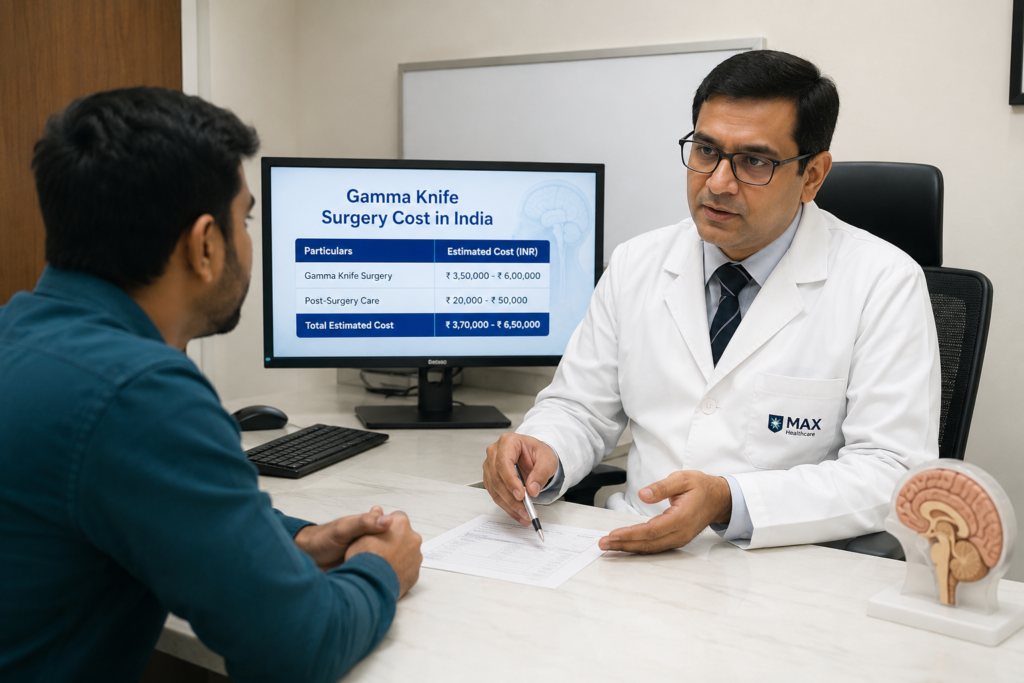
You should consider Gamma Knife Therapy if you have certain advantages
Doctors prescribe Gamma Knife Therapy for certain benefits.
- Non-surgical and non-invasive – no incisions or scars are made in surgery
- Most patients go home the same day after the procedure.
- Sub-millimeter precision reduces radiation of healthy brain tissue
- The risk of complications after this procedure is reduced, versus open-brain surgery.
- Useful for tumors out of the reach of surgery
- May be indicated where surgery is not indicated by the state of the health or the age of the patient
- There are fewer side effects compared to regular whole brain radiation therapy.
Expert Perspective
Senior Radiation Oncologist, WeCare Cancer Network:
“Gamma Knife has revolutionized the way we treat brain tumor patients; we’re able to treat patients with metastatic lesions and the television is on in the background for the patient and it takes us an afternoon to deliver a lethal dose.”
Real World Case Example: A patient with acoustic neuroma
A patient case study (anonymised for privacy purposes) is provided.There is a patient case study (anonymised for privacy purposes).
The patient was diagnosed with a 2.3 cm right-sided acoustic neuroma with progressive hearing loss and balance problems, which was treated at a 58-year-old school teacher from Pune. She was offered surgery, but because of her diabetes and heart history, there was an increased risk of surgery.
She was evaluated at one of the We Care Cancer partner centres and was treated with single-session Gamma Knife radiosurgery under local anaesthetic and sedation. This procedure took about 2.5 hours. The next day she was released. The MRI scan at 12 months follow-up demonstrated that the tumour had decreased in size by 40% and there was no new neurological deficit. Her hearing was set for later. She resumed teaching within 4 days of her treatment.
This is the prototype of the patient who is the best candidate for Gamma Knife; a patient with a small or medium sized benign tumor where open surgery is a high risk procedure. All of this clinical reasoning is applicable to the elderly, patients with metastatic lesions, and patients with tumors in critical brain areas.
People Also Ask (PAA)
Is Gamma Knife radiation therapy?
Not exactly. Conventional radiation therapy provides radiation to a wider area, but in several sessions (fractions). Gamma Knife radiosurgery is a single, precisely delivered high dose treatment to a well-defined, small area. Both will be used in different clinical scenarios and can be complementary.
What is the length of a Gamma Knife procedure?
The procedure itself takes anywhere from 15 minutes to 4 hours, depending on size and number of targets. Including preparation, imaging, and planning, the total day at the hospital is typically 6–10 hours.
Are there side effects of Gamma Knife therapy?
Side effects are usually mild and temporary. Common symptoms are fatigue, numbness/tingling of the scalp (if a frame was used) and slight headache. Radiation edema (swelling) can happen weeks to months after and typically is treated with steroids. If treatment is planned appropriately, it’s rare that there will be serious complications later in life.
Frequently Asked Questions (FAQs)
Q1. Does Gamma Knife radiosurgery hurt?
No. The actual process itself is not painful since there is no sensation in the radiation beams themselves. The placement of the head frame (if used) can cause some discomfort in the patient; this is treated with local anesthesia. Even this discomfort is removed when using Frameless Gamma Knife systems. After the procedure, mild headache or fatigue may be felt for 24–48 hours.
Q2. How many sessions of Gamma Knife treatment are needed?
For the most part, Gamma Knife radiosurgery takes only one treatment. This is one of its best benefits over traditional radiation therapy which involves 20-30 treatments a day. There may be a technique called fractionated stereotactic radiosurgery (FSRS) for larger tumors or complex vascular malformations that can be performed in 3-5 sessions.
Q3. Who should be treated with Gamma Knife?
Ideal candidates are those who have discrete lesions in the brain that are less than 3-4cm in size, are not medically suitable for open surgery or have lesions in areas that cannot be reached by open surgery. Patients with 1-4 brain metastases, acoustic neuromas, meningiomas, AVMs and trigeminal neuralgia are good candidates. Eligibility should be determined by a multidisciplinary oncology team.
Q4. Does Gamma Knife completely cure brain cancer?
For benign conditions like acoustic neuromas and meningiomas, Gamma Knife often achieves long-term control tantamount to cure. For malignant tumors such as glioblastoma or brain metastases, it is a powerful tool for local tumor control, often used alongside systemic therapy. In metastatic brain disease, Gamma Knife significantly improves quality of life and survival in many patients.
Q5. How do I prepare for a Gamma Knife procedure?
Your oncology team will provide specific instructions. Generally: avoid blood-thinning medications (aspirin, warfarin) a few days before; fast for 4–6 hours if sedation is planned; arrange for someone to drive you home; wash your hair the night before (avoid products on the day). Wear comfortable clothing. Bring all prior imaging (MRI/CT) and medical records to the centre.
Q6. How do I contact WeCare Cancer for a Gamma Knife consultation?
You can reach We Care Cancer’s oncology experts through multiple channels: Call us at +91 9029304141 (available Monday to Saturday, 9 AM to 7 PM IST), email us at [email protected], or visit our website at wecarecancer.com to book an online or in-person consultation. Our team guides you from eligibility assessment to treatment planning and post-procedure care.
Conclusion: Is Gamma Knife Right for You?
Gamma Knife radiosurgery is one of the most important developments in Oncology and Neuroscience in the last 50 years. In well-chosen candidates, it provides precision, safety, effectiveness and convenience that brain surgery simply doesn’t offer.
Gamma Knife Therapy should be considered when you are thinking about treatment for a newly diagnosed acoustic neuroma, or if you have brain metastases from lung or breast cancer, or if you are suffering from debilitating pain from trigeminal neuralgia.
Our goal at We Care Cancer is to bring top-tier oncology care to every patient’s reach, understanding, and in a compassionate manner. Throughout your diagnosis, treatment, and recovery, our multidisciplinary team will support you every step of the way, interpreting your scans in layman’s terms and supporting you in your decisions.
Reach out today. When you’re in charge of your brain, you’d better not accept anything less than precision in so many words.
Contact WeCare Cancer
Medications: No prescription required, available online & in-person | Monday to Saturday, 9 AM – 7 PM IST
Key Takeaways
- Gamma Knife radiosurgery is a non-invasive brain treatment that involves 192 focused gamma radiation beams – no scalpel or incision.
- Best for brain tumors up to 3-4 cm, vascular malformations, and functional disorders such as Trigeminal Neuralgia.
- Most patients will finish treatment on the same day, and leave the hospital.
- Gamma Knife precision is within sub-millimeter accuracy, thus sparing healthy surrounding brain tissue.
- Tumor control rates are greater than 90% for many conditions, and have proven to be very safe over decades.
- The cost of gamma knife surgery in India is about ₹2–6 lakhs which is much cheaper than the cost of gamma knife surgery in western countries.
- Patient selection and multidisciplinary planning are essential to best results.
- From eligibility to follow-up, WeCare Cancer is providing end-to-end assistance to the Gamma Knife patients of India.
- Always see a board certified radiation oncologist and neurosurgeon before making treatment decisions.
- To get expert guidance on Gamma Knife, please call WeCare Cancer at +91 9029304141 or e-mail at [email protected].
Top Cancer Treatment Solutions, Top Radio Therapy Center in Delhi
Table of Contents
- Advanced Cancer Treatment Solutions, Top Radio Therapy Center in Delhi
- Radio Therapy Definition: What is Radio Therapy and How Does it Work?
- Which cancers can be treated with Radio Therapy?
- Patients should be aware of the potential side effects of Radio Therapy.
- Radio Therapy Hair Loss: Is It Permanent?
- How many times will you have to attend radio therapy?
- Radio Therapy Mask: How This Works and What to Anticipate?
- Radio Therapy Price in India: What’s the actual cost you can expect?
- Choosing the right radio therapy center without all the confusion.
- Why We Care Cancer is the Most Trusted name in Oncology Consultation across India.
- Radio Therapy in Hyderabad: Access World-Class Treatment Through We Care Cancer
- Save your future, preserve your fertility before radio therapy — World Fertility Services
- The following is a step-by-step guide to your journey with radio therapy.
- Commonly asked questions about radio therapy.
- Conclusion: Your Cancer Journey Deserves the Best — Choose We Care Cancer
Advanced Cancer Treatment Solutions, Top Radio Therapy Center in Delhi
Advanced Cancer Treatment Solutions, Top Radio Therapy Center in Delhi provide the Best cancer treatment in Delhi for advanced cancer treatment.
Once cancer has turned your world upside down, the next question is: where do I get the best cancer treatment? Looking for a reliable radio therapy center in Delhi, then nothing can be better than We Care Cancer.
We Care Cancer is one of the most trusted oncology consultation and treatment facilitation platforms in India, offering years of expertise and experience to lead thousands of patients through their cancer treatment journey, and offering advanced radiotherapy solutions alongside compassionate, personalized treatment support from day one.
The application of radio therapy in cancer has come a long way. Today it is accurate and accurate in a focused way and less intrusive in daily life. If you are researching radio therapy meaning for the first time, or you are already on the path toward treatment, this guide will take you through each step, starting with what radio therapy is, the frequency, the effects, the cost of radio therapy in India and how We Care Cancer makes it accessible, affordable and human.
Radio Therapy Definition: What is Radio Therapy and How Does it Work?
Radio therapy, also called radiotherapy or radiation therapy, is the use of high-energy rays, like X-rays, gamma rays or proton beams, to kill or shrink the cancer cells. It acts by blocking the growth and multiplication of cancer cells due to damage to the DNA inside the cells. It can be used as a treatment by itself or in combination with surgery and chemotherapy, depending on the type of cancer and its stage.
Radio therapy meaning makes the patients less anxious about the radio therapy. Radiotherapy doesn’t involve an incision or a cut like surgery does. You are lying on a table, the machine moves around you and the beams are given very carefully to the tumor itself. This is typically a brief session of minutes but can be weeks of appointment scheduling.
There are several types of radio therapy that are used in cancer treatment. Radio therapy is used in cancer treatment in several forms.
Types of Radio Therapy
- External Beam Radiation Therapy (EBRT) — The most prevalent type, which is given from outside of the body.
- Intensity-Modulated Radiation Therapy (IMRT) — Shapes radiation beam to fit the tumor.
- Stereotactic Body Radiotherapy (SBRT): High doses are given in fewer treatments, which is suitable for smaller tumors.
- Internal radiation that is placed near or within the tumor (brachytherapy).
- Proton Therapy – The use of protons (particles) rather than X-rays for greater accuracy, particularly in children.
Which cancers can be treated with Radio Therapy?
There are many types of cancer that radio therapy can treat. It’s not only for treating one or two types of cancer — it’s one of the most versatile oncological tools in a medical team’s arsenal today.
- Breast Cancer — Commonly used after surgery to kill any cells of breast cancer that remain.
- Prostate Cancer — Radiotherapy may be used as a first choice of treatment instead of surgery.
- Lung Cancer – External beam radiation is commonly employed in this case.
- Head and Neck Cancers.
- Cervical Cancer.
- Brain Tumors.
- Skin Cancer.
- Rectal Cancer and other cancers.
We Care Cancer offers a completely personalized treatment consultation to each patient. Our experts analyze your diagnosis, reports and overall health profile to match your needs with the most apt radio therapy specialists available in Delhi & India.
Patients should be aware of the potential side effects of Radio Therapy.
One of the initial questions patients ask is about radio therapy effects; what happens to their body during and after treatment? This is a valid question and knowing the effects can help patients to plan their life around treatment.
Common short-term radiation therapy side effects include:
- Fatigue — the most common symptom. Body strives to heal itself.
- Skin alterations: Redness, dryness or peeling in the treated area.
- Nausea — More likely to occur with radiotherapy to the abdomen or pelvis.
- Difficulty swallowing or sore throat — If radiation is close to the neck or chest.
- Radio therapy hair loss – This is a well-documented phenomenon of losing hair in the area being treated (usually head or brain) and not on the rest of the body.
Radio Therapy Hair Loss: Is It Permanent?
Radio therapy hair loss is one of the most emotional side effects especially for people who are getting radiation therapy for their brain or head and neck. While chemotherapy-induced hair loss may happen all over the body, radio-therapy-induced hair loss is mostly found in the treated area.
In most cases, although the hair may feel a little different, it will regrow after treatment has been completed. Hair loss in a particular area can be permanent from very high radiation. The oncology team at We Care Cancer will prepare you for what you can expect as you receive treatment, and there are no surprises.
How many times will you have to attend radio therapy?
An extremely frequent concern of a recently diagnosed patient is the frequency of radio therapy – that is, how many sessions and how often? It is dependent on a number of factors, such as the type of cancer, its size and location and the overall treatment aim.
General guidelines for radio therapy frequency:
- Radiotherapy: 5 days a week (Monday to Friday) for 4 to 8 weeks.
- Hypofractionation: Higher doses per session – sometimes 3 weeks or less.
- SBRT / SRS: Very targeted tumours, as few as 1 to 5 sessions.
- Palliative radiotherapy: Brief courses to relieve symptoms and provide comfort.
From initial consultation until final treatment, We Care Cancer is here to coordinate every aspect of your treatment and ensure you never lose a sense of direction or fear about what to expect next.
Radio Therapy Mask: How This Works and What to Anticipate?
Your oncology team will probably refer to a radio therapy mask, also known as an immobilization mask or shell, if you are receiving radiation for a head, neck or brain tumor.
Radio Therapy Price in India: What’s the actual cost you can expect?
For most families, radio therapy cost is a top concern — and rightly so. The cost of cancer treatment in India may vary significantly from one hospital to another, from one city to another, from one type of radiation to another, and from one dosage to another.
Estimated Radio Therapy Cost in India
- Conventional External Beam Radiotherapy: ₹80,000 – ₹2,50,000 per course.
- IMRT (Intensity-Modulated Radiation Therapy): ₹2,00,000 – ₹4,00,000.
- IGRT (Image-Guided Radiation Therapy): ₹2,50,000 – ₹5,00,000.
- SBRT / Radiosurgery: ₹1,50,000 – ₹3,50,000.
- Proton Therapy: ₹15,00,000 – ₹30,00,000.
Radio therapy rates differ and We Care Cancer gets the best and competitive quotes from the top oncology hospitals in Delhi, Hyderabad, Mumbai and other parts of India.
Choosing the right radio therapy center without all the confusion.
Those who’ve typed “radio therapy near me” into Google probably understand how much the search results can clutter up.
This is where We Care Cancer can be your best friend.
You don’t need to call hospitals and wait days for them to pick up the phone, you can contact our team directly. We communicate with you to determine your needs, match you with the right radio therapy center near you, schedule your consultation and guide you through the financial and logistical details — without having to go through the healthcare system on your own.
Why We Care Cancer is the Most Trusted name in Oncology Consultation across India.
What sets We Care Cancer apart?
- Expert Network
- Personalized Case Review
- Transparent Pricing
- Emotional Support
- Online Consultations Available
- Pan-India Reach
Call We Care Cancer today on +91 9029304141 or send us an email to [email protected].

Radio Therapy in Hyderabad: Access World-Class Treatment Through We Care Cancer
Hyderabad is now one of the best medical hubs of the nation with some of the best oncology hospitals in the country.
Located in Hyderabad, We Care Cancer allows you to find accredited centers near you that provide you with the best in radiation oncology treatment options, including IMRT, IGRT, SBRT, and more.
Save your future, preserve your fertility before radio therapy — World Fertility Services
Fertility preservation is often forgotten about in the excitement of starting radiotherapy treatment to the pelvis.
World Fertility Services is a dedicated fertility consulting platform which operates in conjunction with We Care Cancer to help patients protect their reproductive futures.
Cancer doesn’t have to end your family planning journey.
Thanks to the guidance and support of World Fertility Services, thousands of cancer survivors have been able to become healthy parents and have families.
The following is a step-by-step guide to your journey with radio therapy.
Step 1: Initial Oncology Consultation
The first step is the initial oncology consultation.
Step 2: Simulation and Planning
The second step is simulation and planning.
Step 3: Treatment Delivery
Sessions are scheduled based on your radio therapy schedule. Each session is usually 15–30 minutes.
Step 4: Monitoring and Follow-up
This step is monitoring and follow-up.
Commonly asked questions about radio therapy.
Q1. Does radio therapy hurt?
No, radiotherapy is not painful, you don’t feel the radiation during the treatment.
Q2. What cost of radio therapy in Delhi?
The price of radio therapy in Delhi varies from ₹80,000 for basic treatments to ₹5,00,000 or higher for more sophisticated treatments, such as IMRT and IGRT.
Q3. Will radio therapy result in permanent loss of the entire body hair?
No. Radio therapy hair loss is targeted — only those areas exposed to radiation will lose hair.
Q4. Can I eat normally during radio therapy?
In most cases, yes.
Conclusion: Your Cancer Journey Deserves the Best — Choose We Care Cancer
Navigating a cancer diagnosis is one of the most challenging things a person and their family can face. The decisions around radio therapy — which center to choose, what the costs will be, how to manage the side effects, how to balance treatment with life — can feel paralyzing.
Best Kidney Cancer Treatment in West Bengal: Your Complete Guide to Comprehensive Cancer Care
While a kidney cancer diagnosis can be terrifying, proper medical advice and treatment can mean the difference between life and death. This all-inclusive kidney cancer treatment overview by We Care Cancer will take you through every detail of your kidney cancer journey starting from the early signs and causes of kidney cancer, treatment options, recovery rates, and where to find world-class cancer care in West Bengal.
We Care Cancer (wecarecancer.com) is a trusted cancer care guidance platform that enables patients across India to find the best oncologists, high-end hospitals and customised treatment plans. From newly diagnosed through to a second opinion, we are here for you.
Understanding Kidney Cancer
For more than 2,000 years, the organ known as the kidney has been a central symbol for the disease.For over 2000 years, the kidney has been a prominent symbol of the disease.
Two kidney-shaped organs that filter out waste products from your blood and form urine. Kidney cancer, also called renal cell carcinoma (RCC), starts when healthy cells in one (or both) of the kidney begin to grow out of control and form a tumour. It is one of the top 10 cancers in the world and understanding the symptoms of kidney cancer and causes of kidney cancer can make a difference in survival rates if caught early.
Symptoms of the Common Kidney Cancer
A major problem with kidney cancer is that many times it is not detectable in its early stages. That’s why regular health checks are important. Later in the disease, patients can suffer from:
- Blood in the urine (haematuria) which is usually painless and is one of the first symptoms of kidney cancer that is detected.
- A constant lump or mass on the side or low back
- Fatigue and loss of appetite that can’t be explained.
- Sudden and unexplained weight loss.
- Low temperature that persists for more than two days.
- Low blood count of RBC cells (anaemia)
- Persistent high blood pressure that doesn’t get controlled.
- Edema of the legs or ankles
Don’t put off getting help if you or a loved one is having any of these kidney cancer symptoms. Early diagnosis will greatly increase the chances of survival from kidney cancer.
Common Causes and Risk Factors of Kidney Cancer
Although the exact cause of cancer in cells is not always apparent, there are some known causes and risk factors of kidney cancer such as:
- Smoking is the most important modifiable risk factor.
- Overweight and lack of activity
- This is a condition where the blood pressure is raised (hypertension).
- Longterm kidney disease or dialysis
- Having a family history of kidney cancer is a risk factor.
- Breathing in chemicals like asbestos, cadmium or organic solvents
- Genetic diseases like Von Hippel-Lindau (VHL) disease
- Male and older than 50 years.
Knowing the causes of kidney cancer is not only of academic interest, it also contributes to risk reduction and is important for screening people at high risk of developing the disease.
Kidney Cancer Survival Rate: What the Data Says
Statistics of survival can be informative and anxiety provoking. Remember, no two cases are alike, and new developments in oncology still produce a tremendous improvement in cases.
However, here is an honest look at kidney cancer survival rates that will help you to make choices.
The National Average for the 5-Year Overall Survival Rate for People with Kidney Cancer, by Stage
| Stage | 5-Year Relative Survival Rate | What It Means |
| Stage I | ~93% | Kidney cancer which is only in the kidney itself; good prognosis. |
| Stage II | ~79% | The tumour is larger, but remains localised. |
| Stage III | ~53% | Spread around to nearby lymph nodes or veins |
| Stage IV | ~8%–13% | Distant metastasis, treatment is aggressive required. |
You are not related to the rates listed below.The rates listed below are not related to you.
The five-year survival rates for kidney cancer are significantly different for younger and older individuals. Younger patients (under 50) generally have more robust immune systems and other physiological reserves, and therefore improved responses to treatment. Older patients, especially those aged older than 70 years, may have more comorbid illnesses that will make treatment more difficult.
- Less than 50 years: Usually higher survival rates throughout all ages
- 50-64 years: Moderate variability; tolerability of treatment is good
- Careful selection of treatment modality is needed for 65-74 years
- Ages 75 and older: Less aggressive treatments may be offered.
The bottom line: younger age groups are doing better than older age groups when it comes to kidney cancer survival rates, thanks to newer treatments such as targeted therapy and immunotherapy. The early detection is the most important factor to improve outcome.
Call Cancer Specialist Today | We Care Cancer | 9029304141 | wecarecancer.com
Best Kidney Cancer Treatment in West Bengal: Options Explained
Leading oncology centres in Kolkata, WB, boast of almost world-class kidney cancer treatment facilities, with Kolkata being the medical hub of the state. We Care Cancer partners with highly rated hospitals and oncologists throughout the region for finding the right treatment routes for patients.
1. Surgery is the First Treatment for Primary Kidney Cancer
Surgical removal of the tumour is still the main treatment for localised kidney cancer.
Radical Nephrectomy
Removal of the diseased kidney, usually along with removal of surrounding lymph glands. This is advised if the tumour is large or in the center of the body.
Partial Nephrectomy (Nephron-Sparing Surgery)
Removing just the diseased part of the kidney, while keeping as much healthy kidney as possible. Useful for patients with single kidneys or low kidney function or for smaller tumours.
Laparoscopic and Robotic Surgery
Minimally Invasive Methods that minimize recovery time, blood loss and hospital stays. In recent years, some hospitals in West Bengal have started performing robotic-assisted nephrectomy.
2. Targeted Therapy
These are the so called targeted therapy drugs, which specifically target the molecular mechanisms that enable the growth of cancer cells. Medications that inhibit proteins in tumour blood supply (anti-VEGF agents) and mTOR inhibitors are the most commonly used cancer treatments for kidney cancer. In particular, these drugs have greatly improved the survival rates of people with advanced kidney cancer.
3. Immunotherapy
Over the last ten years, the treatment approach of kidney cancer has undergone a dramatic change, thanks to the development of immunotherapy. Checkpoint inhibitors, in particular PD-1 and PD-L1 inhibitors, enable the body’s immune system to identify and kill cancer cells. Combination immunotherapies are now the main treatment for metastatic RCC, and have significantly extended disease survival even in late-stage disease.
4. Radiation Therapy
Kidney cancer is not very radiosensitive, but for those who cannot undergo surgery, stereotactic body radiotherapy (SBRT) or stereotactic ablative radiotherapy (SABR) may be employed in the control of metastatic sites and for palliation (relief of symptoms), for example to relieve bone pain.
5. Ablation Therapies
Ablation procedures that kill the cancer cells within the kidney and have minimal invasiveness, like radiofrequency ablation (RFA) and cryoablation (cold freezing), are effective local treatment methods for small tumours or high-risk surgical patients.
7. Clinical Trials and Novel Therapies
The premier Cancer Hospitals of West Bengal are involved in clinical trials, which are national and international in scope, and provide patients access to the latest treatments, which are not widely available. We Care Cancer will be able to help you with current trial eligibility.
Why We Care Cancer for Kidney Cancer Treatment Guidance in West Bengal?
We Care Cancer knows that dealing with cancer is a medical and emotional and logistic challenge. Our platform was designed with one objective in mind: to ensure that world class cancer care is accessible and affordable to every patient and that the care itself is understood.
What We Offer
- Frequent face-to-face, no-cost consultations with senior oncology advisors
- Recommendations for a treatment pathway that is tailored to the individual.
- Matching with hospitals and specialists based on your cancer type, stage and location.
- Diagnosis to post treatment follow up support, end-to-end
- Second opinion facilitation by nationally recognised oncologists.
- Giving people information and support on how to navigate finances and insurance.
- Access to up-to-date information on new kidney cancer treatments and clinical trials.
We Care Cancer has already helped hundreds of families in West Bengal and throughout India to access timely and effective cancer treatment. We have presence in 50+ hospitals, 200+ oncologists with special emphasis on best kidney cancer treatment in West Bengal.
📧 Email us at: [email protected]
🌐 Visit: https://wecarecancer.com/
The Kidney Cancer Ribbon: Awareness is Spreading, it Matters!
The kidney cancer ribbon is orange to represent the bravery, strength and determination of patients and survivors. Practicing or sharing the kidney cancer ribbon is not just a gesture, it’s a way to help educate the public, start conversations about early screening and to advocate for increased funding and research.
We Care Cancer is an active member in national cancer awareness campaigns. We believe that smart communities save lives. If you are aware of anyone who is exhibiting any kidney cancer symptoms, get them advice from a physician as soon as possible. Our greatest tool is early diagnosis.
A Trusted Recommendation: World Fertility Services
Treatment of cancer sometimes may affect the fertility of younger patients, especially those who are undergoing chemotherapy, radiation, or surgery. This is one thing of comprehensive cancer care which is often neglected while in a rush of treatment planning.
World Fertility Services is our preferred partner for patients who are interested in maintaining their fertility prior to or following treatment for kidney cancer. World Fertility Services offers expert advice on egg freezing, sperm banking and fertility preservation to ensure patients preserve their future family options and fertility while keeping their health in mind as well.
We Care Cancer has expert counselors who can assist you with kidney cancer treatment and preserve your fertility. If you are a younger patient, fertility is a consideration and you wish to talk to our counselors, we will connect you with World Fertility Services for seamless and compassionate fertility preservation.
📞 Contact We Care Cancer Today | Call: +91 9029304141 | Apply Online at wecarecancer.com
Frequently Asked Questions (FAQs)
What are the symptoms of kidney cancer that I should be concerned about?
The symptoms of kidney cancer are often the presence of blood in the urine (haematuria), a persistent lump in the side or back, loss of weight, tiredness and low-grade fever. In many early stage cases, there are no symptoms, and regular checks are important — particularly for high risk individuals.
So what are the major causes of kidney cancer?
The most important risk factors for kidney cancer are smoking, excess body weight, high blood pressure, chronic kidney disease, long-term dialysis, exposure to industrial chemicals, and genetic disorders like Von Hippel-Lindau syndrome. There’s also a large risk increase if the family has a history of kidney cancer.
What is the probability of a person suffering from kidney cancer in India making it through to the end of the day?
B: The survival rates of kidney cancer in India have greatly improved over the last decade. The 5-year survival rate for localised kidney cancer (Stage I) is about 90%–93%. The overall survival rate of kidney cancer depends on the type and stage of the cancer, but even people with late-stage kidney cancer are living longer and better lives with current treatments such as targeted therapy and immunotherapy.
What are the options for kidney cancer treatment options in West Bengal?
A: As for kidney cancer treatment options, West Bengal has a wide selection of options available, such as radical nephrectomy, partial nephrectomy, minimally invasive robotic surgery, targeted therapy, immunotherapies (also known as checkpoint inhibitors), ablation therapy, and radiation. We Care Cancer can assist you to find the appropriate hospital and specialist for your particular situation.
What is the ribbon colour for kidney cancer?
A: The color of the kidney cancer ribbon is orange. It symbolizes awareness, bravery and solidarity with those suffering from kidney cancer and survivors. Wearing or sharing the kidney cancer ribbon is an effective way to raise awareness about kidney cancer symptoms and the need to be screened early.
What role can We Care Cancer play in my cancer journey with kidney cancer?
A: We Care Cancer can help you get a complimentary consultation, match you with specialists and hospital, facilitate a second opinion, provide insurance guidance and give you support as a whole person through your cancer journey. Call us at +91 9029304141 or visit us at wecarecancer.com today to get started.
Is there a cost of treatment for kidney cancer in West Bengal?
A: Yes. West Bengal is one of the few states that provide good treatment for kidney cancer with comparatively cheap prices, which is not the case with many metros. We Care Cancer takes the stress out of insurance claims, government schemes and financial assistance options.
Is there a chance that kidney cancer treatment will impact fertility?
Fertility might be affected by kidney cancer treatment in some instances, especially if the cancer is systemic. For younger patients, we suggest talking with the oncologist before starting treatment about preserving fertility. We Care Cancer will be able to refer you to World Fertility Services for professional advice on fertility preservation.
Conclusion
We Care Cancer is a trusted and compassionate cancer guidance offering, that can be considered for conclusion.
Being diagnosed with kidney cancer is an urgent and wise situation. When treated at the right time by the right people, right treatment can make a difference. When you are looking for the best kidney cancer treatment in West Bengal, you don’t have to do it yourself.
We Care Cancer is here to be your trusted partner — from understanding kidney cancer symptoms and kidney cancer causes, to accessing the latest kidney cancer treatment options and improving your kidney cancer survival rate.
Affordable Stomach Cancer Treatment in Hyderabad | We care cancer
Affordable Stomach Cancer Treatment in Hyderabad | We care cancer is here to assist you in finding the best treatment available at affordable prices.
As soon as a doctor states that they need to do more tests for stomach cancer, the world comes to a standstill. All at once, you’re presented with a medical jargon-filled labyrinth of tests, specialists’ names and recommendations — and a family to support — and you are left to deal with it all.
This guide is for now.
Since its establishment, We Care Cancer has aided hundreds of people in India to go from confusion to clarity in the wake of their gastric cancer diagnosis. In this article, we take you through the steps involved in the diagnosis of stomach cancer, the meaning of the staging process and how to find the right oncologist, whether you live in Hyderabad, a smaller city or a rural area, far from a cancer centre.
Knowing what is going on is the first step in resisting.
Talk to our expert team: +91 9029304141
wecarecancer.com
[email protected]
What is Stomach Cancer? Starting With the Basics
Stomach cancer, or another term for it, gastric cancer, occurs when the cells lining the stomach undergo changes in their DNA and begin to grow out of control. With time, these out-of-control cells start to build up to make a tumour, which can grow through the wall of the stomach and invade the tissue of the liver, lungs and other organs.
The most common type is gastric adenocarcinoma, which makes up about 90-95% of all stomach cancers. Less common forms are gastric lymphoma, gastrointestinal stromal tumors (GISTs), and carcinoid tumors.
It’s important to know which type you have as the treatment for stomach cancer varies with type.
How is stomach cancer cause related to its occurrence?
Rarely, there is only one cause of a diagnosis of gastric cancer. It is nearly always a mix — not only some things you can do, but some things you can’t.
Biological and Medical Causes
- Up to 60% of all gastric cancers worldwide are linked to Helicobacter pylori (H. pylori) infection; this is the largest known cause.
- Chronic atrophic gastritis — is a chronic condition where the lining of the stomach becomes thin.
- Gastric polyps — Some are potentially malignant (adenomatous polyps)
- Previous surgery to the stomach — particularly Billroth II surgeries may increase risk decades after the surgery
- Pernicious anemia — Autoimmune disease of the cells of the lining of the stomach
- The Epstein-Barr virus (EBV) infection is associated with some gastric cancers.
Genetic Causes
- The gene mutation CDH1 is responsible for hereditary diffuse gastric cancer (HDGC)
- Multiple miscellaneous malignancies — Mainly colorectal but also associated with increased risk for gastric cancer
- Mutations to the BRCA2 gene — are linked to a moderately increased risk for gastric cancer.
- If stomach cancer runs in your family, the odds increase by 100% (parent or sibling)
Environmental and Lifestyle Causes
- Tobacco use (50 – 100 times risk!)
- Heavy alcohol consumption
- A high salt, smoked foods, and nitrate in preserved foods diet.
- Low consumption of fresh fruits and vegetables
- Obesity, especially central/abdominal obesity.
- Exposure to some of the dusts and chemicals used in the workplace.
Understanding your risk factors can help you and your doctor determine when to start screening, even before you may experience stomach cancer’s early signs.
It is within the window of opportunity that stomach cancer early symptoms can be identified
The main thing to know about stomach cancer early symptoms is they are there; they’re just quiet. They’re like experiences most of us have had several times.
Early warning signs (often ignored)
- Heartburn or indigestion that lasts for more than 2–3 weeks
- Unexplained/early Satiety — feeling full after consuming few bites of food
- Mild pain or pressure in the upper abdomen
- Bloating after meals
- Regular morning or other nausea
- A loss of appetite, without any cause.
- Low-grade fatigue
These symptoms are not necessarily a sign of cancer. That’s the challenge. When several of the symptoms are present simultaneously, particularly if the person is over 45 and has some of the known risk factors, then the symptoms warrant an immediate medical investigation.
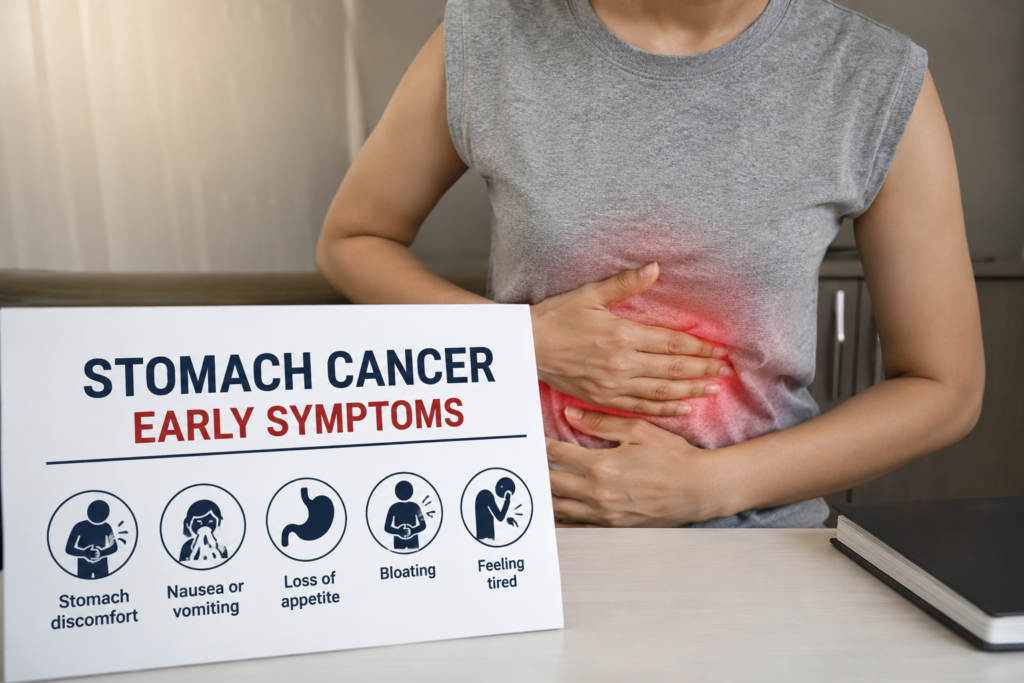
Stomach cancer symptoms in men
Unusual symptoms are more likely to be attributed to something else in men with stomach cancer. Men are more apt to think that indigestion is caused by stress, spicy food or lifestyle and are less likely to seek early medical help.
In male patients, specific patterns are:
- Epigastric pain or pressure (upper centre of the abdomen)
- Black, bloody or tarry stools — frequently the first symptom of a bleeding gastric ulcer or tumor.
- On a routine blood test, unexplained iron deficiency anemia was detected.
- Slow, but significant loss of weight over several months time.
Men over 50 years of age who have any of these symptoms – particularly if they have more than one – should consult a gastroenterologist; they should not only take an antacid and wait.
Stomach Cancer Age: At What Age are You Most at Risk?
The age incidence of stomach cancer does have a definite trend. It most commonly occurs after age 60, but can occur in younger adults.
- < 40: Low but significant risk — particularly for genetic disorders such as HDGC
- There is an increased risk of 40-55; lifestyle factors gain in significance.
- 55-70: Peak incidence period – most cases are diagnosed here
- If the total picture of a patient’s health and comorbidities is not taken into account, treatment planning is at risk because > 70.
Stomach cancer in young people (< 50 years) is more aggressive, is diagnosed later and has a different molecular profile, importantly. It’s also more likely to have a hereditary component.
Those with a familial history of stomach or colorectal cancer who are under the age of 40 may want to consider genetic counselling.
What are the tests for stomach cancer? Step-by-Step
A structured pathway of diagnosis commences once a doctor makes a diagnosis based on history and symptoms that gastric cancer may be present. Here’s what that typically looks like in India:
Step 1: Upper GI Endoscopy (Gold Standard)
The endoscopy is the procedure of inserting a thin, flexible tube with a camera into the stomach via the mouth. It helps the doctor to:
- Directly visualize the stomach lining with a camera.
- Identify abnormal areas, ulcers or tumors
- Make biopsies of suspicious areas
To diagnose stomach cancer, a biopsy is required. Imaging is never enough to make a firm diagnosis.
Step 2: Histopathology or Biopsy Analysis
The biopsy samples are examined under a microscope by a pathologist to:
- Determine whether there is cancer.
- Determine the type of cancer (adenocarcinoma, GIST, lymphoma, etc.)
- Determine tumor grade (aggressiveness of the tumor cells)
- Test for expression of HER2 protein (which may be important for eligibility for targeted therapy)
Step 3: Staging Investigations
If cancer is diagnosed, staging investigations find out how far the cancer has spread:
- Abdominal, chest and pelvis computed tomography — routine first-line investigation of staging
- PET-CT Scan — identifies cancer cells that are active, meaning that they are undergoing metabolism, throughout the body
- Endoscopic Ultrasound (EUS) — Used to determine the depth of the tumor invasion into the stomach wall and to check the nearby lymph nodes
- Laparoscopic Staging — Occasionally conducted prior to surgery to exclude imaging-imperceptible disease spread in the peritoneum
Step 4: Blood Tests and Tumor Markers
There are no blood tests to diagnose stomach cancer, but some blood tests can help in the diagnosis and monitoring:
- Complete blood Count (CBC) — Anemia is normal in gastric cancer.
- Tumor markers which can be raised (not definitive) — CEA, CA 19-9
- Blood tests — Measure how well the liver is functioning to determine if cancer has spread to the liver.
- The evaluation of the nutritional status through the assessment of the albumin protein levels is crucial for surgical planning and treatment.
Understanding the meaning of each stage of stomach cancer
Staging is a description of the spread of cancer. TNM staging system is universally accepted:
- T = Tumor (how deep into stomach wall)
- N = Nodes (whether nearby lymph nodes are affected)
- M = Metastasis (if the cancer has spread to other parts of the body)
Stage-by-Stage Breakdown
Stage 1 — Localized Cancer
Cancer has only affected the inner parts of the stomach wall. Lymph nodes can be involved or not (Stage IA vs IB). Surgery may be a cure in itself. 5-year survival: 78–94%
Stage II — Regional Spread
Cancer has spread deeper into the wall of the stomach or to more lymph glands. Surgery and chemotherapy are of great help. 5-year survival: 56–68%
Stage III — Extensive Local Spread
Cancer has grown through the wall of the stomach and/or has spread to several (non-cancerous) lymph nodes in the surrounding area. Multimodal treatment (surgery, chemo and possibly radiation) is needed. 5-year survival: 25–50%
Stage IV — Distant Metastasis
Cancer has grown in other organs of the body, usually in the liver, lungs, or lining of the abdomen (peritoneum). Treatment is for prolonging life and quality of life. 5-year survival: 4–6%
Recognizing one’s stage is very important and has implications for all future treatment decisions.
The choices available to treat stomach cancer explained in simple terms
No two stomach cancer treatments are exactly alike. A competent oncology team custom designs a treatment plan based on your tumor type, stage, HER2 status, health status and your preferences.
Surgery – the cornerstone of curative treatment
For gastric cancer that doesn’t have a widespread spread, the only possible cure is surgery.
Endoscopic Mucosal Resection (EMR) / Endoscopic Submucosal Dissection (ESD)
For very early cancer limited to the inside lining of the stomach, these minimally invasive endoscopic procedures remove the cancer without open surgery.
Subtotal (Partial) Gastrectomy
The removal of the cancerous part of the stomach and some adjacent tissues along with the nearby lymph nodes. Utilised when the cancer is found in the bottom part of the stomach.
Total Gastrectomy
Complete removal of the stomach. The esophagus joins right to the small intestine. Adjunct to treatment of upper stomach tumours and diffuse type cancer.
D2 Lymph Node Dissection
A more extensive lymph node dissection that is performed with gastrectomy. High quality care provided in specialized cancer centers, related to improved long-term results.
Chemotherapy used before and after surgery
Perioperative (before + after surgery): The ECF regimen (epirubicin, cisplatin, 5-fluorouracil) or the newer FLOT (docetaxel, oxaliplatin, leucovorin, 5-fluorouracil) is administered pre and post surgery to eliminate as much of the tumor as possible and minimize the risk of recurrence.
Capecitabine-based regimens are frequently used in India after surgery (adjuvant).
Palliative (advanced disease): This is when chemotherapy is used to slow the growth of the cancer and make it easier to cope with.
Radiation Therapy
Radiation is not the only treatment used for gastric cancer. It is used along with chemotherapy (chemoradiation) in particular circumstances, typically after surgery when there is a risk of cancer remaining or cancer margins were positive.
Patients with HER2-positive gastric cancer should be referred for targeted therapy
Around 15-20% of gastric adenocarcinomas overexpress the HER2 protein. Such patients receive a targeted antibody drug called trastuzumab (Herceptin) in combination with first-line chemotherapy, which greatly enhances their prognosis.
All confirmed biopsies of gastric cancer should be routinely tested for HER2. Ask your oncologist if your pathology report didn’t include the information about HER2 status.
Immunotherapy is one of the emerging treatments
Nivolumab and pembrolizumab are also approved in certain indications for advanced gastric cancer: when tumors express PD-L1 and when the microsatellite instability is high (MSI-H). Immunotherapy is a treatment that helps the body’s immune system fight cancer.
Despite the benefits of immunotherapy in India, there are still significant barriers to its accessibility, particularly cost, for many patients. We Care Cancer assists patients in considering clinical trials and/or programs that can have these drugs available to them at a reduced cost.
Understanding the “Numbers” of Stomach Cancer Survival Rate
The average survival rate statistics for stomach cancer are for the general population. They are not able to foretell what will happen to any one patient. However, there are important messages to be taken away from them:
What’s Better Than Stage?
- Surgery performed at a high-volume cancer center (in a center that performs a large number of gastrectomies per year, there is better outcome)
- Complete resection with clear margins (R0 resection)
- Histological analysis of the sentinel lymph node (the first lymph node that drains the area where a tumor has formed) or removal of 16+ lymph nodes (D2 lymph node dissection)
- Full perioperative chemotherapy cycles (x6)
- Nutritional support during treatment and recovery
- Early diagnosis of recurrence by routine scanning
WeCare Cancer matches patients not only to hospitals but to specific surgeons & oncologists who meet these quality standards. The impact of outcomes on gastric cancer is significant with respect to volume, training and expertise of teams.
Before starting treatment, talk with your oncologist about these questions
One of the most important things WeCare Cancer does is assists patients in asking the right questions. These are the ones which are most important:
- What are my stage and TNM classification?
- Is my tumour Her2 positive? Is there PD-L1 / MSI testing?
- Am I surgery candidate? If so, what type?
- Should I have chemotherapy before my surgery?
- What is the goal of treatment — curative or palliative?
- What clinical trials can I participate in?
- What are the actual risks of each procedure?
- Should I have a nutritionist and physiotherapist, in addition to an oncologist?
- When and how often will I need follow-up scans?
Conclusion
Affordable Stomach Cancer Treatment in Hyderabad is possible with the right guidance, early diagnosis and access to experienced oncologists. Wecarecancer continues to support patients and families by helping them understand diagnosis, staging, treatment options and recovery pathways in a simple and accessible manner.
Top Rated Sarcoma Cancer Care Center in Gujarat
Not because they ignored the signs. But because sarcoma cancer looks like so many other things first — a sports injury, a pulled muscle, a routine swelling. By the time the biopsy report lands on the table, families are overwhelmed, scared, and unsure where to turn.
If you are reading this from Gujarat — or anywhere else in India — this guide is written for you. And We Care Cancer, Gujarat’s most trusted sarcoma cancer care consultancy, is ready to walk this journey with you from the very first question.
🌐 Visit: wecarecancer.com | 📞 +91 9029304141 | 📧 [email protected]
First Things First — What Does Sarcoma Cancer Mean?
Understanding Sarcoma Cancer Meaning in Plain Language
Most people are familiar with cancers of the breast, lungs, or colon. These are carcinomas — cancers that grow in the lining of organs.
Sarcoma cancer’s meaning is entirely different.
Sarcoma is a cancer that originates in the body’s connective tissues — the structural framework that holds everything together. This includes:
- Bones
- Muscles
- Fat tissue
- Nerves
- Blood vessels
- Cartilage and tendons
Think of it this way: while most cancers attack the body’s organs from the inside, sarcoma attacks the body’s scaffolding.
There are over 70 distinct subtypes of sarcoma. Some grow fast. Some grow silently for years. Each behaves differently — which is exactly why cookie-cutter treatment plans do not work for this disease.
The Hidden Triggers — Sarcoma Cancer Causes You Should Know
What Actually Causes Sarcoma Cancer?
Here is the uncomfortable truth: sarcoma cancer causes are not fully understood in every case. Many patients develop sarcoma without any known risk factor.
That said, medical research has consistently identified the following contributors:
Inherited Genetic Conditions Certain gene mutations passed down through families significantly raise sarcoma risk:
- Li-Fraumeni Syndrome (TP53 mutation)
- Familial Retinoblastoma (RB1 mutation)
- Neurofibromatosis Type 1
Prior Radiation Exposure One of the most documented sarcoma cancer causes is previous radiation therapy. Patients who received radiation for breast cancer, lymphoma, or cervical cancer may develop radiation-induced sarcoma at the treatment site — sometimes decades later.
Prolonged Chemical Exposure Industrial chemicals like vinyl chloride, arsenic, and dioxins have been linked to hepatic angiosarcoma and other rare subtypes.
Chronic Lymphedema Long-term arm or leg swelling following lymph node removal — particularly after breast cancer surgery — can lead to lymphangiosarcoma.
Underlying Bone Disease Paget’s disease of the bone is a recognized precursor to osteosarcoma, especially in adults over 60.
Viral Associations Human Herpesvirus 8 (HHV-8) is directly linked to Kaposi’s Sarcoma, particularly in immunocompromised individuals.
Understanding the cause helps — but it does not change the path forward. What matters now is accurate diagnosis and expert-led treatment.
Reading the Signs — Sarcoma Cancer Symptoms That Cannot Be Ignored
Common Sarcoma Cancer Symptoms Across All Ages
The challenge with sarcoma cancer symptoms is that they are deceptively ordinary in the early stages. A growing lump gets attributed to a gym injury. Bone pain gets blamed on posture. And weeks become months.
Here is what to genuinely watch for:
The signature warning sign: A lump or mass anywhere on the body — in the limb, abdomen, or trunk — that grows slowly over weeks, is firm to touch, and sits deeper than the skin surface.
Additional sarcoma cancer symptoms:
- Bone pain that worsens at night or during rest (not related to activity)
- A bone that fractures with minimal or no impact
- Persistent joint swelling that does not improve with rest or physiotherapy
- Restricted movement in an arm or leg
- Unexplained weight loss combined with fatigue
- A deep abdominal mass with a feeling of fullness or pressure
- Visible swelling in the thigh, shoulder, or back that continues to enlarge
The 5cm Rule: Any soft tissue lump larger than 5cm — roughly the size of a golf ball — that is deep to the skin surface should be evaluated immediately. Do not wait.
Sarcoma Cancer Symptoms in Women — What Often Gets Missed
Sarcoma cancer symptoms in women are frequently mistaken for gynaecological or hormonal issues. This leads to some of the longest diagnostic delays seen in sarcoma cases.
Women should pay close attention to:
Uterine / Pelvic Red Flags:
- Rapidly enlarging fibroids that grow after menopause (may indicate uterine leiomyosarcoma)
- Post-menopausal vaginal bleeding without hormone therapy
- Pelvic pressure or lower abdominal pain that persists beyond a menstrual cycle
- Unusual pelvic mass discovered during routine ultrasound
Limb and Soft Tissue Signs:
- A deep, firm lump in the inner thigh, buttock, or groin
- Breast lump that feels deeper and harder than typical fibrocystic tissue
Retroperitoneal Sarcoma (RPS): More common in women than men, RPS grows silently in the abdominal cavity and often reaches large sizes before causing symptoms. Abdominal fullness, back pain, and a sense of bloating that does not respond to diet changes are key signals.
If any of these symptoms last beyond three weeks — please do not self-diagnose. Contact a specialist or reach WeCare Cancer directly for guidance.
Breaking Down the Stages — From Early Detection to Sarcoma Cancer Stage 4
How Sarcoma Is Staged
Sarcoma staging combines two systems:
- TNM Staging — Tumor size, Node involvement, Metastasis
- Histologic Grade — Low-grade (slow-growing) vs High-grade (aggressive)
Stage 1 — Localized and Low-Grade The tumor is confined to its origin site and cells are relatively slow-growing. Surgical removal with clean margins often achieves excellent outcomes. 5-year survival rate: 85–90%
Stage 2 — Localized but High-Grade The tumor may be larger but has not spread beyond its primary site. Cells are more aggressive. Surgery combined with radiation is standard. 5-year survival rate: 70–80%
Stage 3 — Regional Spread Cancer has reached nearby lymph nodes or grown into adjacent structures. Multi-modal treatment is essential. 5-year survival rate: 50–60%
Stage 4 — Sarcoma Cancer Stage 4
This is the most advanced stage — where sarcoma has metastasized to distant organs, most commonly the lungs, followed by the liver and bones.
Sarcoma cancer stage 4 does not mean the end of hope.
Here is what modern medicine now offers at Stage 4:
- Targeted therapies that attack specific molecular pathways
- Immunotherapy combinations being tested in clinical trials
- Metastasectomy (surgical removal of lung metastases in select patients)
- Palliative care focused on quality of life alongside disease management
WeCare Cancer has helped families at every stage — including Stage 4 — access the right specialists and treatment pathways that match their specific subtype and situation.
The Numbers Decoded — Sarcoma Cancer Survival Rate by Age and Stage
What the Survival Statistics Actually Tell You
Survival data exists to guide decisions — not to define outcomes. Every number below is a population average. Your case is individual.
Overall Sarcoma Cancer Survival Rate
| Stage at Diagnosis | Approximate 5-Year Survival Rate |
| Stage 1 (Localized, Low-Grade) | 85% – 92% |
| Stage 2 (Localized, High-Grade) | 70% – 80% |
| Stage 3 (Regional Spread) | 50% – 62% |
| Stage 4 (Distant Metastasis) | 16% – 28% |
These figures vary significantly by sarcoma subtype. Ewing’s Sarcoma and Rhabdomyosarcoma in children carry different prognoses than Leiomyosarcoma in adults.
Sarcoma Cancer Survival Rate by Age
Sarcoma cancer survival rate by age shows meaningful differences across life stages:
Children and Adolescents (Under 18) Pediatric sarcomas — particularly Osteosarcoma and Ewing’s Sarcoma — have relatively better survival rates because younger bodies tolerate aggressive chemotherapy better, and pediatric cancers often respond more completely to treatment. Long-term survival rates for localized Ewing’s Sarcoma in children can reach 70–80%.
Young Adults (18-40) Have good physiological reserves and fewer co-existing conditions, so can have intensive treatment protocols. The prognosis is good for confined disease.
In Middle-Aged Adults (40 to 60), the meaning of the term Sarcoma subtypes change in that Liposarcoma, Synovial Sarcoma and Leiomyosarcoma are becoming more common. With prompt and specialized treatment, outcomes stay good.
Treatment for Older Adults (60 and older) will be weighed against other health conditions. Surgical and targeted treatment has still proven to be effective. Treatment is not only available for people of all ages.
Today’s Sarcoma Cancer Treatment — How It’s Done
A Complete Picture of Sarcoma Cancer Treatment Options.
In the past 10 years, the treatment of sarcomas has changed tremendously. This is what patients can avail with proper guidance:
Surgical treatment is the cornerstone of sarcomas treatment.Surgery is the major treatment for sarcomas.
The first line of treatment is wide local removal of the tumor and a margin of healthy tissue (wide local excision) in most sarcomas. Today the surgery aims to save the limbs and amputation is very uncommon.
In these cases, surgery for retroperitoneal sarcomas is performed using highly specialized teams because of the close proximity of major blood vessels and organs.
Radiation Therapy
Before or after surgery (before surgery (neoadjuvant) to shrink the tumor or after surgery (adjuvant) to kill any remaining tumor cells). Advanced techniques include:
IMRT (Intensity-Modulated Radiation Therapy)
Proton Therapy is available in few centers in India.
Chemotherapy
Most effective in paediatric sarcomas as well as some adult subtypes. Common regimens:
Doxorubicin and Ifosfamide — first-line treatment for many types of soft tissue sarcomas
The Ewing’s Sarcoma standard is VAC/IE Protocol.
Gemcitabine + Docetaxel is a combination of two drugs that is effective in Leiomyosarcoma and Undifferentiated Pleomorphic Sarcoma.
Targeted Therapy
One of the most important improvements in sarcomas treatment:
Imatinib (Gleevec) — made GIST (Gastrointestinal Stromal Tumor) curable from a deadly illness to one that can be managed.
Pazopanib has been approved for the treatment of advanced soft tissue sarcomas.
Trabectedin is used to treat Liposarcoma and Leiomyosarcoma.
REVAXIMIQ® (regorafenib) is indicated for the treatment of pretreated soft tissue sarcoma.
Immunotherapy
Pembrolizumab is early showing promise in certain sarcoma types such as Undifferentiated Pleomorphic Sarcoma and Alveolar Soft Part Sarcoma. There are several clinical trials that are recruiting in India.
Clinical Trials
Access to cutting edge experimental therapies not yet commercialised. A little-known option that can really make a difference, WeCare Cancer actively assists patients to identify relevant trials in India and internationally.
More Than a Referral, Real Partnership, WeCare Cancer
Why Gujarat patients choose to opt for We Care Cancer for Sarcoma.
No dearth of hospitals in Gujarat. What families are often mi
ssing is someone who can guide them through the system – someone who can explain reports in a way that is easy to understand, knows which oncologist specialises in which sarcoma type, and is available when they’re panicking at 10pm.
WeCare Cancer does just that.
Providing patients services throughout Ahmedabad, Surat, Vadodara, Rajkot, Gandhinagar and all over India via online consultancy.
The uniqueness of WeCare Cancer.
No advice or guidance in general, just advice from Sarcoma-Experienced Oncology Consultants, which is specific to your subtype, stage, and goals.
Second Opinion Coordination Not sure about diagnosis or treatment plan? WeCare Cancer arranges for the second opinion of senior oncologists so that you don’t make a significant decision based on one opinion.
Clear, Affordable, No surprises. No pressure. There are no promises that can’t be kept. Nothing more than a straightforward, no-nonsense approach.
Holistic Support — Medical & Emotional Cancer attacks the body, not just in one way. WeCare Cancer’s team is also sensitized to assisting patients and caregivers with the psychological burden of a sarcoma diagnosis.
WeCare Cancer specializes in providing all the knowledge you need for Sarcoma Cancer Expert, whether you’re in Ahmedabad or in a smaller town that doesn’t have much to offer in terms of cancer specialists, WeCare Cancer can reach you on the phone, WhatsApp or via email.
WeCare Cancer’s goal is to make cancer guidance affordable for all budgets. Flexible and transparent pricing makes sure the support families need is accessible to them regardless of their financial situation.
For more details, please contact us via call/WhatsApp or email: [email protected] or visit our website: wecarecancer.com.
Supporting Fertility before and after Sarcoma care
World Fertility Services — For Patients Who Are Also Planning for the Future
Sarcoma treatment, especially chemotherapy and radiation to the pelvis can have a major effect on reproduction. This is a discussion that should be carried out before, rather than after, treatment for younger patients and women of childbearing age.
World Fertility Services is India’s trusted platform for fertility preservation and assisted reproduction services, and a natural partner for cancer patients.
Services available include:
Protecting eggs before the chemotherapy treatment starts
Sperm Banking for male patients going through treatment.
Embryo Cryopreservation for couples
Oncofertility Consultations — clear guidance for patients’ choices
Post Treatment IVF Support — those who are prepared to create a family after recovery.
With WeCare Cancer and World Fertility Services, you can still have a family when you are battling sarcoma. Both teams are on the same side to provide you with a full picture of care, not a disease management plan.
How the WeCare Cancer Process Works
It’s easier than most people think to get started.
Step 1: Reach Out (No Preparation Needed)
Call, WhatsApp or send an email. You need not be able to produce all your reports. Begin with whatever you have, even with the idea that there is a concern.
Step 2 — Case Review by Oncology Experts
Present your diagnosis, imaging and biopsy results when you are ready. Each aspect of the WeCare Cancer team is checked over by experienced consultants.
Step 3 — A clear personalised plan
Get specific advice – about which treatment centre, what specialist, what is the best approach for your subtype and stage. In plain language. No jargon.
Get ongoing support as you continue the treatment process (Step 4).
After initial consultation, WeCare Cancer does not go away. The team remains on call throughout your treatment process, coordinating logistical aspects, answering questions and offering support during your most vulnerable moments.
Sarcoma Cancer – Some Common Questions
Q1. What is sarcoma cancer and what makes it different from regular cancers?
Unlike those that form in linings of organs, sarcomas arise in bones, muscles, fat, nerves and other connective tissues. It is less common, may be misdiagnosed at first, and can only be treated by a specialist oncologist for optimal results.
Q2. Can sarcoma cancer stage 4 be treated successfully?
Stage 4 sarcoma is serious but not untreatable. Targeted therapies, immunotherapy trials, and surgical removal of lung metastases have meaningfully extended survival and quality of life for many patients. WeCare Cancer can help identify which options apply to your specific case.
Q3. What are the first sarcoma cancer symptoms I should not dismiss?
A growing lump that is firm and deep — especially one larger than 5cm — combined with bone pain at night, unexplained fractures, or persistent joint swelling, are the clearest early signals. In women, rapidly growing uterine fibroids and post-menopausal pelvic pain also warrant urgent evaluation.
Q4. Does WeCare Cancer only operate in Gujarat?
No. While We Care Cancer has strong roots in Gujarat and serves patients across Ahmedabad, Surat, Vadodara, and Rajkot, it provides full online consultancy services across all of India. Any patient anywhere can connect via phone, WhatsApp, or email.
Conclusion — The Right Help at the Right Time Changes Everything
Sarcoma cancer is rare, complex, and frightening. But it is not a diagnosis without options.
The difference between a patient who feels lost and one who feels empowered is almost always the same thing: the right guidance, found early enough.
We Care Cancer — Gujarat’s top-rated sarcoma cancer care center — was built to be that guidance. Not a hospital. Not just a referral list. A real, human, expert team that understands sarcoma from every angle — medical, emotional, logistical, and financial.
Whether you are still trying to understand what sarcoma cancer means, figuring out what sarcoma cancer treatment your loved one needs, or anxiously reading survival statistics at midnight — We Care Cancer is the call you should make next.
And if fertility is part of your concern, World Fertility Services stands ready alongside.
You do not have to figure this out alone. Gujarat’s most trusted sarcoma team is one call away.
Complete Guide to Prostate Cancer Treatment in Haryana
Introduction to Prostate Cancer Treatment in Haryana
To get a Complete Guide to Prostate Cancer Treatment in Haryana, you have to know everything beforehand to take action.
More and more prostate cancer treatment can be accessed in Haryana over the past 10 years, but when families are diagnosed, they are lost. This book is meant for anyone who has received a recent diagnosis that he or she might have prostate cancer, and for anyone he or she loves who has received such a diagnosis. It is written for you—and no medical mumbo-jumbo—with concrete advice about where to find assistance.
We Care Cancer is a cancer care consultancy in a trusted way providing assistance to patients and families all over Haryana and India. When you are in Gurugram, Faridabad, Rohtak, Hisar, Panipat or any smaller town in the state, you need not worry about the lack of any expert when you call them at +91 9029304141.
Let’s cover all of it from prostate cancer basics, through prostate cancer symptoms in men, prostate cancer screening and diagnosis, and all prostate cancer treatment options today.
What is Prostate Cancer? How does it affect Haryana?
In males, the prostate is a small walnut-shaped gland that makes seminal fluid. The prostate cancer develops when cells in this gland multiply in an uncontrolled manner. One of the most common cancers in men globally and as per the data collected from Indian registries there is a consistent increasing trend in terms of reported cases among the urban population, even in major cities of Haryana.
The good news is this: Prostate cancer is one of the most curable of all cancers when diagnosed in its early stages. Knowing about prostate cancer and getting early diagnosis and treatment will make a huge difference in the outcome of the disease, making awareness and action literally life-saving.
Recognize the Early Signs of Prostate Cancer in Men
Being familiar with the signs of prostate cancer symptoms is crucial.
The worst part of prostate cancer is that it can go on to produce none of these symptoms in the early stages. Many men dismiss the signs and symptoms as being a result of their age or a busy life. This is a very expensive error.
Symptoms of Prostate Cancer in Men Might Include:
- Urinary frequency – particularly at night (nocturia)
- Swallowing problems or abdominal distention.Trouble stopping or starting urination.
- Inability to fully empty the bladder or weak stream of urine
- Dysuria, or burning or pain urination or ejaculation
- Blood in urine or semen
- Lower back, hip or thigh pain or stiffness
- Weight loss or tiredness (in late stages)
Do NOT delay treatment if you see two or more of these symptoms lasting over 2 weeks. Call We Care Cancer at +91 9029304141 or email [email protected] for a complimentary first consultation.
Why Getting a Prostate Cancer Screening Early is a Game Changer
The Importance of Prostate Cancer Screening in Life Saving
Prostate cancer screening is the diagnosis of prostate cancer in an asymptomatic man. This is still not used in India especially in semi-urban and rural Haryana. However, one of the most effective means to catch the disease in its early stages and prevent its spread.
Read the article to determine who should be screened.
- Men over the age of 50 (average risk)
- Men between the ages of 40 and 45, who have a family history of prostate cancer.
- Men from certain ethnic groups or who have a known gene mutation (BRCA1/BRCA2)
- Men who are having any kind of persistent urinary difficulties.
How is Screening Done?
There are two types of tests that are generally administered:
Prostate-Specific Antigen (PSA)
A simple blood test that checks the amount of PSA in the blood. An increased PSA can be a sign of cancer, but more tests are always required.
Digital Rectal Exam (DRE)
Physical exam in which the doctor examines the prostate for abnormalities.
We Care Cancer assists people throughout Haryana to reach the appropriate diagnostic center and gain the correct information regarding their tests, while eliminating confusion and anxiety.
What to Expect After Screening for Prostate Cancer
Tests and Procedures to Confirm a Diagnosis of Prostate Cancer
Having a positive screening test does not mean cancer. Your doctor will probably suggest one or more of the following to confirm the diagnosis of prostate cancer:
Biopsy
A tiny needle is used to remove tissue from the prostate, with the help of ultrasound. The biopsy Gleason score is used to indicate the cancer’s aggressiveness.
MRI Scans of the Prostate
This offers detailed images of the prostate gland and indicates areas that might be suspicious.
Bone Scan / Computed Tomography scan (CT)
To see if cancer has spread to the bones.
Genomic Testing
Tests include Oncotype DX or Decipher, which can help determine the likelihood that the cancer will grow rapidly.
The diagnosis can be daunting. This is where a team such as We Care Cancer can make all the difference; in holding the patient’s hand, walking with them, throughout every test, throughout every report and throughout every doctor’s appointment, both physically and virtually.
Prostate Cancer Stages — Understanding Your Diagnosis Part 2
Breaking Down Prostate Cancer Stages
If a cancer is diagnosed, it is then staged, to determine how far the disease has spread. Prostate cancer staging is performed with the help of the TNM system (Tumour, Node, Metastasis) and the Gleason/Grade Group system.
This is a simple illustration:
| Stage | What It Means |
| Stage I | Cancer is small and confined to one area of the prostate. Very slow-growing. |
| Stage II | Cancer in the prostate, but may be bigger or more aggressive. |
| Stage III | Cancer has spread from the prostate into adjacent tissue or into the seminal vesicles. |
| Stage IV | The cancer has spread to the lymph nodes, bones or other areas of the body. |
With the correct treatment, most men diagnosed with Stage I or II have very favorable results. Modern therapies offer excellent results to even Stage III and some Stage IV patients.
Knowing about your stage can help you and your doctor determine the proper course of prostate cancer treatment.
Prostate Cancer Treatment: All the Information You Need
Today, there are a number of options available for prostate cancer treatment in India.
This is the part that people and families look for the most in a hurry. The positive is that the advancements in the treatment of prostate cancer have been remarkable and today, Haryana’s patients can find world-class treatment through proper referrals and guidance.
Active Surveillance and Watchful Waiting
Doctors may choose to watch a small, slow-growing cancer, especially in older men, before it is treated if a person feels that it will not cause any symptoms. Any changes are monitored with regular PSA testing, biopsies and imaging. This prevents any additional side effects due to therapy.
Prostate Cancer Surgery — Radical Prostatectomy
Prostate Cancer Surgery
Radiation Therapy
There are two major types of prostate cancer:
External Beam Radiation Therapy (EBRT)
Radiation delivered from the outside of the body, over a period of weeks.
Brachytherapy (Internal Radiation)
Radioactive seeds are placed inside of the prostate. Commonly used for low to intermediate risk cancer.
Radiation can be used in addition to surgery if cancer cells are left behind.
The Reduction of Androgen, Through the Use of a Medication. (Hormone Therapy, Androgen Deprivation Therapy — ADT)
Male hormones (androgens) in particular, such as testosterone, promote the growth of prostate cancer. Hormone therapy uses two methods: To lower the amount of testosterone in the body, or To prevent the testosterone from getting to the cancer cells. It is administered in combination with radiation, or when cancer has spread.
Chemotherapy
Chemotherapy is typically used in prostate cancer that has spread (metastatic prostate cancer) and is not responding to hormones. These drugs are frequently used, such as Docetaxel and Cabazitaxel.
Immuno-Therapy and Targeted Therapy
Sipuleucel-T (Provenge)
A personalized vaccine for prostate cancer that has been approved for advanced cases.
PARP Inhibitors (Olaparib, Rucaparib)
Drugs that are targeted to men with certain genetic mutations.
Immunotherapy drugs (Checkpoint Inhibitors) used in some patients with advanced prostate cancer.
Focal Therapy
In newer methods, such as HIFU (High-Intensity Focused Ultrasound) and cryotherapy, only the cancerous part of the prostate is removed, thereby sparing more of the healthy tissue and the side effects.
Why is the Age Specific Prostate Cancer Survival Rate Different? — Reasons for Hope
Knowing the Prostate Cancer Survival Rate by Age is Extremely Important
A key question patients ask themselves is: What are my chances?
The latest statistics:
- Localised prostate cancer (Stage I–II): There is an almost 100% five-year survival rate for this cancer.
- Regional spread (Stage III): About 98-100% 5 year survival
- Distant spread (Stage IV): About 30–32% 5-year survival; with the new treatments this rate is improving.
Age also affects the prostate cancer survival rate. Younger men (less than 60 years) are likely to have more aggressive disease, but are likely to respond to aggressive treatment. For older men (70+), life during treatment is more important than overall survival, and their cancers tend to grow slowly.
The one most important factor in survival is early detection. This is why screening for prostate cancer is so important.
We Care Cancer is a Cancer Charity that is Partnering with You to Become Your Trusted Partner for Prostate Cancer Treatment in Haryana
Why Families Across Haryana and India Trust We Care Cancer?
We Care Cancer is not a hospital, it’s a cancer care advisory service to be by your side from the time of the diagnosis through and beyond treatment.
We Care Cancer is offering you the following:
Expert Guidance
A team of oncology counsellors who are familiar with the medical landscape and can assist you to obtain second opinions, understand reports and plan treatment.
Access to Best Cancer Hospitals
Access to best cancer hospitals in Gurugram, Delhi NCR, Chandigarh and in the country, depending on the type and stage of the cancer.
Transparent Pricing Support
We Care Cancer makes it easier to compare the costs of treatment, navigate insurance paperwork, and to get the best care for your budget.
Emotional and Psychological Support
A cancer diagnosis occurs for the entire family. The We Care Cancer team is skilled in caring with compassion and in giving clinical care.
We Care Cancer has patients all across India from Kerala to Kashmir and is available online and over the phone in all parts of Haryana.
To get started, visit wecarecancer.com or call +91 9029304141 today.
We Care Cancer also partners with another trusted website, World Fertility Services, for anyone struggling with fertility-related issues — especially younger prostate cancer patients who are worried about preserving their fertility prior to surgery or radiation treatment.
Prostate Cancer Care Across Haryana — Cities We Serve
Prostate Cancer Support Near You in Haryana: Local SEO Focus
If you are in need of Prostate cancer treatment near me in Gurugram, prostate cancer doctors near me in Faridabad or need a second opinion in Rohtak or Panipat, We Care Cancer will help you find the right people in a timely manner.
We Care Cancer is actively helping cancer patients in the following cities and districts of Haryana:
- Gurugram (Gurgaon)
- Faridabad
- Rohtak
- Hisar
- Panipat
- Ambala
- Karnal
- Sonipat
- Bhiwani
- Sirsa
The service is also operational in other parts of India such as Kerala, Maharashtra, Tamil Nadu, Karnataka, Rajasthan, UP etc.
Preparing for Fertility Before Prostate Cancer Treatment
A Note for Younger Patients – Protect Your Future
In men under 55, who are diagnosed with prostate cancer, there are important questions regarding fertility that must be raised with them as they consider surgery or radiation for prostate cancer. Surgery for prostate cancer (radical prostatectomy) and radiation therapy may impact fertility.
Sperm freezing is a quick and secure procedure to do before starting treatment, which is relevant to those who are concerned about their fertility. World Fertility Services is a trusted platform that can help you understand fertility preservation, which is done in parallel with We Care Cancer to ensure your long-term wellbeing is taken into account together with your cancer treatment.
Avoid bringing this up after treatment. Discuss with your oncologist — and with the We Care Cancer advisory team — before treatment.
Frequently Asked Questions (FAQs)
Q1. What are the first signs of prostate cancer in males?
In men, the initial signs of prostate cancer may be urinary, ranging from a weak urine stream and frequent urination during the night to a failure to empty the bladder properly. Sometimes, it may also present with pain or blood in urine. Many prostate cancer cases don’t show any symptoms, so prostate cancer screening after age 50 is important.
Q2. Which is the best prostate cancer treatment in India?
The optimal treatment for prostate cancer will depend on the stage and grade of cancer, how old the patient is, and his/her overall health. Prostate cancer surgery (radical prostatectomy) or radiation therapy are very effective when the cancer is localized. Hormone, chemotherapy or new targeted drugs may be needed for more advanced cases. We Care Cancer can provide information about which option is right for you.
Q3. What are the prospects for prostate cancer in India?
When caught at a localised stage, the prostate cancer survival rate is close to 100% at five years. The rates are lower in advanced cases but are improving with modern treatment. Prostate cancer screening offers the greatest benefits for all ages, but especially early detection.
Q4. Can I get prostate cancer treatment guidance online in Haryana?
Yes. We Care Cancer provides full online consultation and assistance for prostate cancer patients in Haryana and across India. You can reach the team at [email protected] or visit wecarecancer.com for support — without leaving your home.
Conclusion — Choose the Right Partner for Prostate Cancer Treatment in Haryana
A prostate cancer diagnosis is frightening. But it does not have to be a journey you walk alone — and in 2026, it does not have to be a death sentence either. With access to the right prostate cancer diagnosis tools, an accurate understanding of prostate cancer stages, and a carefully chosen prostate cancer treatment plan, thousands of men in Haryana and across India are living full, healthy lives after prostate cancer.
The key is acting early, asking the right questions, and working with a team you trust.
We Care Cancer is that team. From helping you understand your PSA report to navigating complex prostate cancer surgery decisions, from connecting you with the best oncologists in Haryana to supporting your family emotionally — We Care Cancer is with you every step of the way.
Best Pancreatic Cancer Doctors in Kerala – Symptoms, Causes, Treatment & Survival Rate
Pancreatic Cancer: Understanding One of the Most Aggressive Cancers
Pancreatic Cancer is one of the most aggressive types of cancer and is resistant to chemotherapy.The pancreatic cancer is one of the most virulent type of cancer and is unresponsive to chemotherapy.
A diagnosis of a pancreatic cancer is one of the most challenging diagnoses a person can receive. With appropriate medical treatment, guidance and optimal timing and access to the best pancreatic cancer doctors in Kerala, however, the outcomes, quality of life and hope can go a long way.
There should be no “lone gunmen” in the battle against cancer. WeCare Cancer aims to clarify, be compassionate and provide expert guidance in the journey of patients and families.
To contact us, call us today at +91 9029304141 or drop an email to [email protected] or wecarecancer.com
What is Pancreatic Cancer and Why Early Detection is Important?
Cancer of the pancreas develops when the cells in the pancreas begin to grow out of control. The pancreas is an important organ located behind the stomach, which secretes digestive enzymes and the hormone insulin, which helps control blood sugar.
The biggest risk of this cancer is that it can develop and not produce any symptoms. Most will not show signs of the disease until the disease has advanced; therefore it is important to know the pancreatic cancer symptoms.
When it comes to pancreatic cancer, there are certain symptoms that you cannot ignore.
There is a need for both men and women to be aware of the signs and symptoms of early warning. One of the most common symptoms of pancreatic cancer in women is subtle changes which can be easily overlooked — but shouldn’t be.
Common Symptoms Include:
- Yet more persistent yellowing of the skin or eyes (jaundice)
- Weight loss for which there is no known cause and occurs quickly.
- Diffuse abdominal pain which radiates to the upper abdomen along the back.
- No appetite and nausea
- IDDM – diabetes of unknown origin
- Constipation or pale/sticky stools
- Dark urine
- Tiredness or lack of energy which does not get better when resting
- Unprovoked blood clots
There can also be signs and symptoms of pancreatic cancer in women that are hormonal or gastrointestinal disorders that may be mistaken for other cancers. Seek advice at an early stage at all times.
If you have any of these symptoms, seek a specialist’s advice immediately. Contact WeCare Cancer for further instructions, on what to do next, and call them on +91 9029304141.
Pancreatic Cancer Causes Include, Pancreatic Cancer Risk Factors Are:
An understanding of the risk factors helps in prevention and early diagnosis.
Factors That Increase the Risk or Cause Pancreatic Cancer Are:
- Smoking and tobacco use – one of the most powerful modifiable risk factors.
- There is a long-term association between diabetes and pancreatic cancer: Type 2 diabetes
- There is an increased risk of getting it if the inflammation of the pancreas happens again and again (chronic pancreatitis)
- Family history and genetics – mutations in the genes BRCA1, BRCA2 and others
- Obesity: excess body weight, associated with increased risk:
- Age — most of the cases are reported after the age of 60.
- A diet rich in red and processed meats.
- Heavy alcohol use
- It’s the industrial chemicals, they allege.
Your doctor will be able to monitor you more closely and take action before things get out of hand because he or she knows your risk profile.
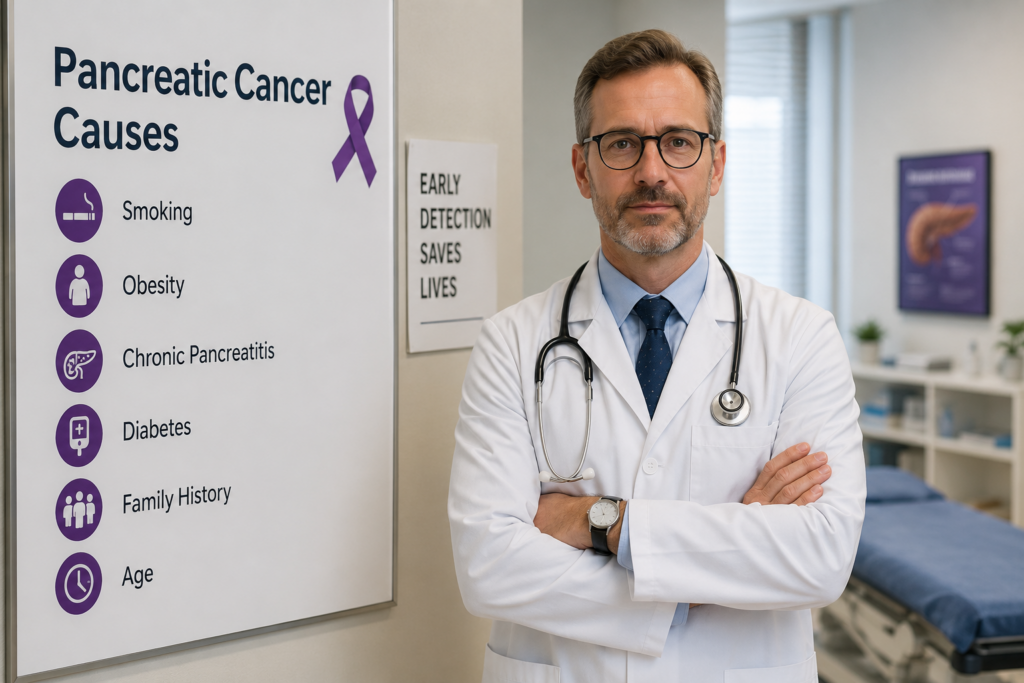
ICD 10 Code and Diagnosis Pancreatic Cancer
Pancreatic Cancer ICD 10 codes are used in a clinical setting to identify the type and location of the cancer. The most common code is C25.9 – malignant neoplasm of pancreas, unspecified, with other codes depending on the region of the pancreas where the cancer is found, such as the head, body or tail.
WeCare Cancer’s team members can assist you in understanding your medical documents and help you understand your diagnosis if you have been diagnosed and don’t understand what that means.
Pancreatic Cancer Treatment in Kerala
In Kerala, today there are treatment facilities available for treating pancreatic cancer.
Some of the best oncology departments and cancer care hospitals are in Kerala. The patients seeking treatment for Pancreatic Cancer in Kerala are given a variety of medical treatments.
Surgical Treatment
Whipple Procedure (Pancreaticoduodenectomy)
A surgery that is the most common procedure performed for pancreatic cancer in the head area. For this, the head of the pancreas, a portion of the small intestine, the gall bladder and a portion of the bile duct must be removed.
Distal Pancreatectomy
When the pancreas is affected by the cancer in the body and tail.
Total Pancreatectomy
Removal of the entire pancreas (in some cases).
Surgery is typically not recommended if the cancer has not spread to larger blood vessels or other organs – another benefit of staying on top of cancer.
Chemotherapy
Chemotherapy is an important part of the treatment of pancreatic cancer. It may be used:
- Prior to surgery (neoadjuvant) to reduce the tumour size
- After surgery (adjuvant) to destroy the rest of the cancer cells.
- The initial therapy for more severe cases includes:
The most common chemotherapy regimens are FOLFIRINOX and Gemcitabine + Nab-paclitaxel.
Radiation Therapy
Radiation is sometimes used along with chemotherapy – especially if surgery is not an option. Stereotactic body radiotherapy (SBRT) is a high-tech procedure that is available in the best cancer hospitals in Kerala.
Targeted Therapy
Individuals with specific gene mutations (e.g. BRCA) may be treated with targeted therapy drugs including a PARP inhibitor called Olaparib.
Immunotherapy
Patients with specific biomarkers are emerging as one potential treatment avenue with immunotherapy. Newer avenues in India are being investigated for clinical trials of immunotherapies.
Palliative Care
The palliative treatment aims to relieve pain, to optimise nutritional status, to clean up any blockage of the bile duct and to enhance the quality of life at an advanced stage.
How to Interpret the Pancreatic Cancer Survival Rates
Once the diagnosis is made, one of the most common questions families ask is, “Will the child survive?The first question families ask after diagnosis is, “Will the child live? The rate of pancreatic cancer survival is based on the stage of the cancer.
| Stage | Description | The 5 year survival rate is: |
| Stage I | Localised, small tumour | 15–20% |
| Stage II | Spread to other tissues in area. | 7–12% |
| Stage III | Dispose of on large vessels.Dispose on bigger vessels. | 3–6% |
| Stage IV | Distant metastasis | Under 3% |
To give an accurate prognosis about the outcome of pancreatic cancer, there are some factors that have to be taken into account.
Important Factors That Determine Pancreatic Cancer Prognosis:
- Stage at diagnosis — higher stages are likely to have a poorer prognosis
- Where the tumour is — cancers in the head of the pancreas are more likely to be picked up early because of jaundice
- Surgery may be possible – resectable tumours have much better outcomes.
- Shrinking of some tumours – considerable response to chemotherapy
- Patient’s age and overall health
- In patients that are BRCA-positive, targeted therapies could be effective, as genetic mutations may be present.
- Having access to specialist cancer teams.
WeCare Cancer is involved in coordinating cancer patients with the experts who can give them the best treatment according to their prognosis and cancer type across Kerala and India.
So Is There a Cure for Pancreatic Cancer?
One of the most sensitive and emotionally challenging questions in oncology is: Is there a cure for pancreatic cancer? Medically, cure usually is defined as a long-term remission, in the absence of any disease activity.
If the cancer is detected early and kept to areas of the body that are easily removed by surgery, then there is currently the best chance of long-term remission. Improvements in chemotherapy have increased the long-term survival rate after a Whipple procedure, with some patients staying disease-free for many years after the surgery.
There is no cure for the disease yet, but there is fast research. In the clinic, liquid biopsies, personalized medicine and new combinations of immunotherapies are proving to be promising.
We Care Cancer keeps up with the latest, most pertinent research available so our patients can always get the information they need.
Best Pancreatic Cancer Doctors in Kerala
Knowing the best pancreatic cancer doctors in Kerala is the only way you can go about finding the right doctor.The only way to find the right doctor is to know the best pancreatic cancer doctors in Kerala.
When Looking for Pancreatic Cancer Doctors Near Me in Kerala, These Are the Key Points to Consider:
Experience in Doing Pancreatic Surgery
Seek out a surgeon that has a high number of complex surgeries of the pancreas and Whipple procedures every year. There is a direct relationship between volume and outcomes in PC surgery.
Multidisciplinary Team Approach
This approach involves a multidisciplinary team to provide the best advice on how to proceed.
At the best cancer hospitals in Kerala, the surgical oncologists, medical oncologists, radiation oncologists, radiologists, pathologists and palliative care specialists are brought together for each patient.
Access to Molecular Testing
Genomic profiling and biomarker testing can aid in the identification of targeted therapy options. Do they have NGS at the hospital?
Clinical Trial Access
There are some centres affiliated with national cancer research networks, where patients would have access to the latest trials.
Compassionate Communication
In addition to being knowledgeable, you want doctors that communicate well, involve families in decision making and make complex information understandable.
WeCare Cancer will be able to help you find and choose the right specialist for your specific case, location and budget.
How WeCare Cancer Cares for Patients Across India
WeCare Cancer is a cancer consultancy service that is trusted by patients and connects them with the best cancer doctors in Kerala, including top pancreatic cancer doctors in Kerala.
What We Offer
- Certified oncology second opinions available.
- Co-ordination of appointments with the top cancer hospitals in Kerala and throughout India.
- An evaluation of the treatment plan by a medical record review and a medical assessment.
- Clear cost, hospital and expectation information
- Easy access to specialist care – we don’t believe money should be the barrier to cancer treatment
- Patients can consult with us for the treatment of dental problems from anywhere in India, online.
- Support for Malayalam, Hindi, Tamil and English speaking patients
From Thiruvananthapuram, Kochi, Kozhikode to any town in Kerala, WeCare Cancer can be reached online and by phone.
Call us: +91 9029304141 | Email: [email protected] | Visit: wecarecancer.com
WeCare Cancer is a Name of Trust
WeCare Cancer is not a referral service, patients select us because of this. We’re a team of support.
We know how a diagnosis of pancreatic cancer can upend a family’s life. We take away the hassle – hospital navigation, access to specialists, documentation and logistics – with everything to do with healing being focused on the patient and their loved ones.
We have assisted patients from across Kerala, from Thrissur to Malappuram, Kannur to Kollam, and beyond, to avail of the treatment options which they were not aware of.
We have a clear process, fair prices and an absolute commitment to the welfare of our patients.
A Note on Fertility and Cancer
If you’re a younger patient, and you might have questions about how your cancer treatment may impact your future fertility, we recommend that you discuss this with a fertility specialist early with your oncology team.
The WeCare Cancer team is affiliated with the world-renowned reproductive medicine company, World Fertility Services. If you are worried about becoming pregnant or fathering children before chemotherapy or surgery, please visit worldfertilityservices.com to learn about your options prior to treatment.
Frequently Asked Questions (FAQ)
Q1. What are some of the initial symptoms of pancreatic cancer?
Initial symptoms of pancreatic cancer include weight loss, abdominal pain that spreads to the back, a yellowish complexion or yellow eyes (jaundice), dark urine, and loss of appetite. These can be experienced in women together with sluggishness and digestive variations. Early consultation is highly recommended.
Q2. What is the mortality rate for pancreas cancer in India?
The survival rate of pancreatic cancer in India is comparable to the world’s average. The overall 5-year survival rate for patients is around 10-12%. Patients with an early diagnosis of a localised disease, however, with surgical treatment have a 15–25% survival rate. The chances of good outcome are much greater if treatment is delivered at a specialised centre and early diagnosis occurs.
Q3. Do Early Detection and Treatment for Pancreatic Cancer Cure the Disease?
Yes, pancreatic cancer can be cured – or long term remission achieved – if it is detected early and the tumour is surgically resectable. The best chance of long-term survival is complete removal using a Whipple procedure plus chemotherapy.
Q4. What is the Best Pancreatic Cancer Doctor in Kerala?
To seek out a leading specialist you will need to get assistance from a trusted cancer consultancy, such as WeCare Cancer. We conduct a thorough evaluation of your case, connect you with the best oncologists in Kerala and arrange your appointment and treatment plan. Call +91 9029304141 or visit wecarecancer.com to get started.
Expert Care, Choice WeCare Cancer
You can find the treatment facilities and assistance programs that you need at Expert Care, Choice WeCare Cancer.
If you have been diagnosed with pancreatic cancer then there is a need for urgent, expert and compassionate action. From the beginning of seeking information to the end of the process, whether you are just starting to hunt for the best pancreatic cancer doctors in Kerala or are just about to meet them, We Care Cancer is present to support you on the journey.
Learning the signs and symptoms of pancreatic cancer, pancreatic cancer treatment options, pancreatic cancer prognosis, and even locating specialists who understand the entire spectrum of pancreatic cancer.